
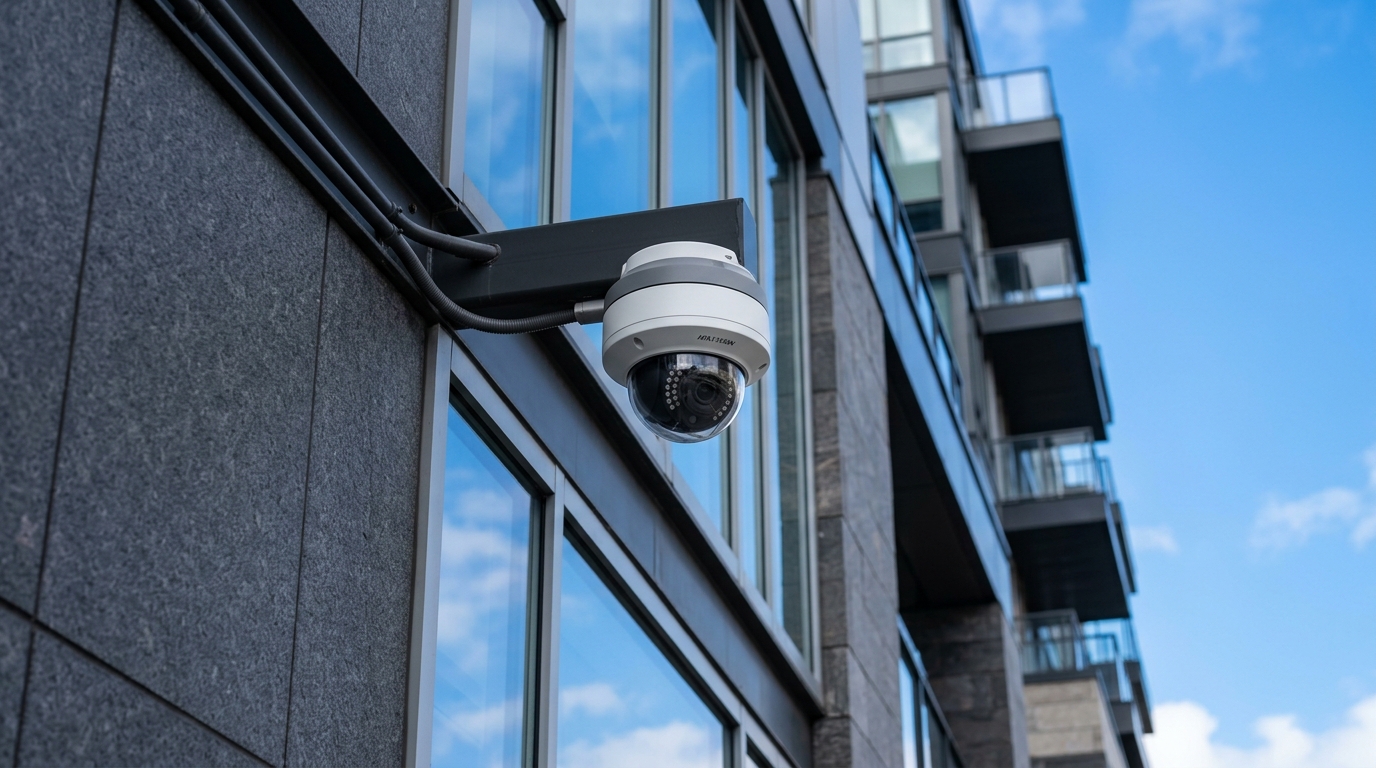
Choosing a CCTV system for your business is not just about buying cameras. The wrong setup can leave blind spots, produce unusable footage, and cost more to fix than it would have to get right the first time. Whether you’re fitting out a new premises or upgrading an ageing system, here’s what you need to consider.
Start With a Site Survey, Not a Shopping List
Every building is different. A warehouse, a retail unit, and a multi-tenant office block all have different security requirements. Before looking at cameras, you need to understand:
- Entry and exit points — doors, loading bays, fire escapes, car park entrances
- High-value areas — server rooms, stockrooms, cash handling zones
- Lighting conditions — some areas may be well-lit during the day but pitch dark at night
- Vulnerable spots — blind corners, secluded areas, roof access points
A professional site survey identifies all of this before a single camera is specified. It’s the difference between a system that actually protects your premises and one that just looks like it does.
Camera Types: Which Do You Need?
There’s no single camera that does everything. Most commercial systems use a combination:
Dome Cameras
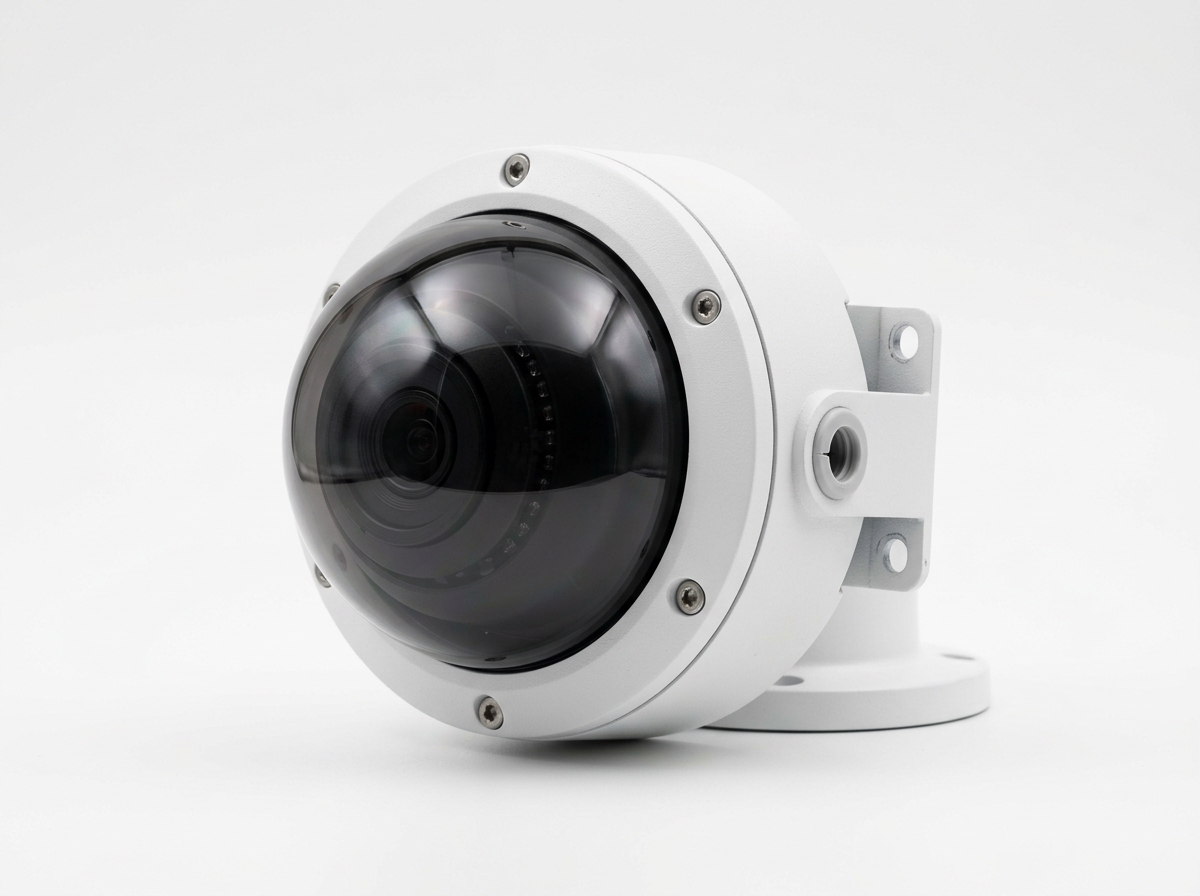
The most common choice for indoor and sheltered outdoor use. Dome cameras are discreet, vandal-resistant, and cover wide areas. Ideal for corridors, reception areas, and ceilings. Their low-profile design blends into most environments without drawing attention.
Bullet Cameras
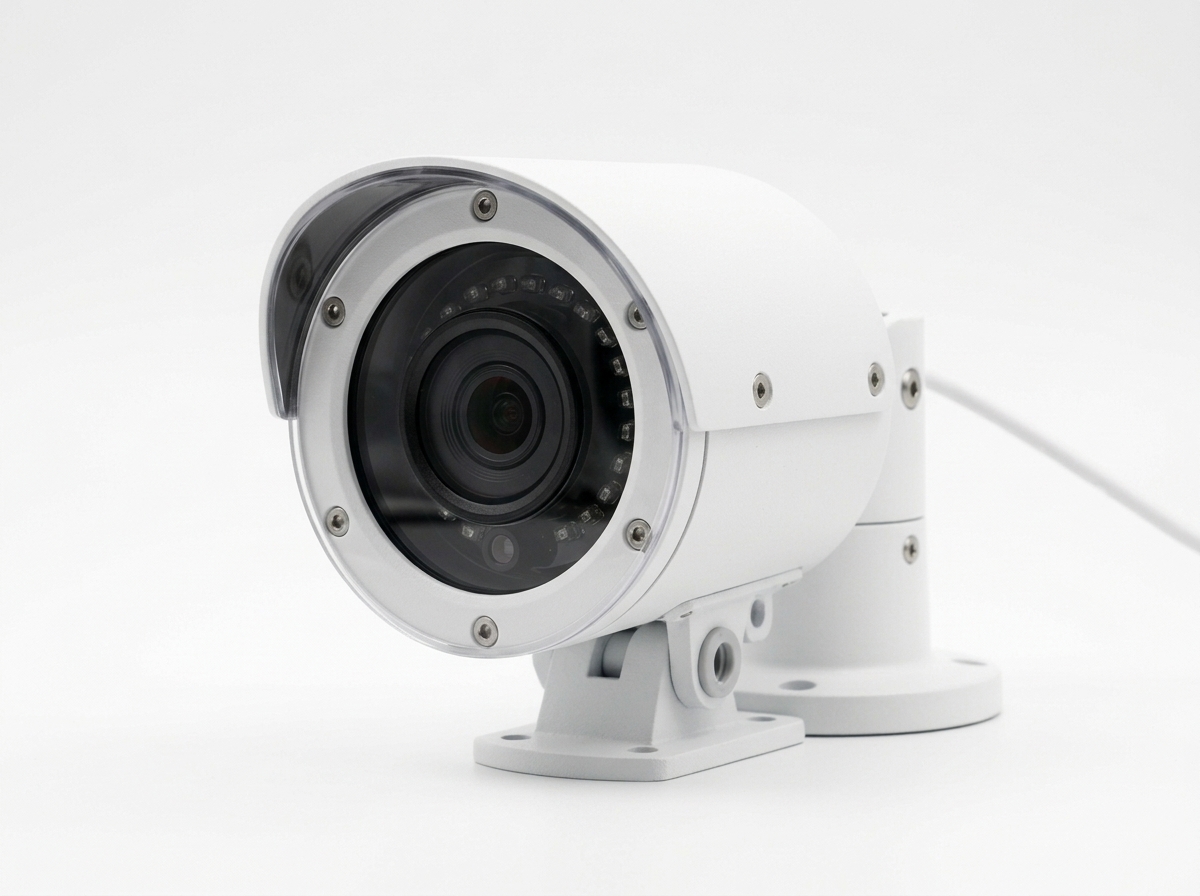
Better suited for long-range outdoor monitoring — car parks, perimeter fences, and building exteriors. Their cylindrical housing protects against weather, and their visible shape acts as a deterrent. The built-in lens hood reduces glare from direct sunlight.
PTZ (Pan-Tilt-Zoom) Cameras
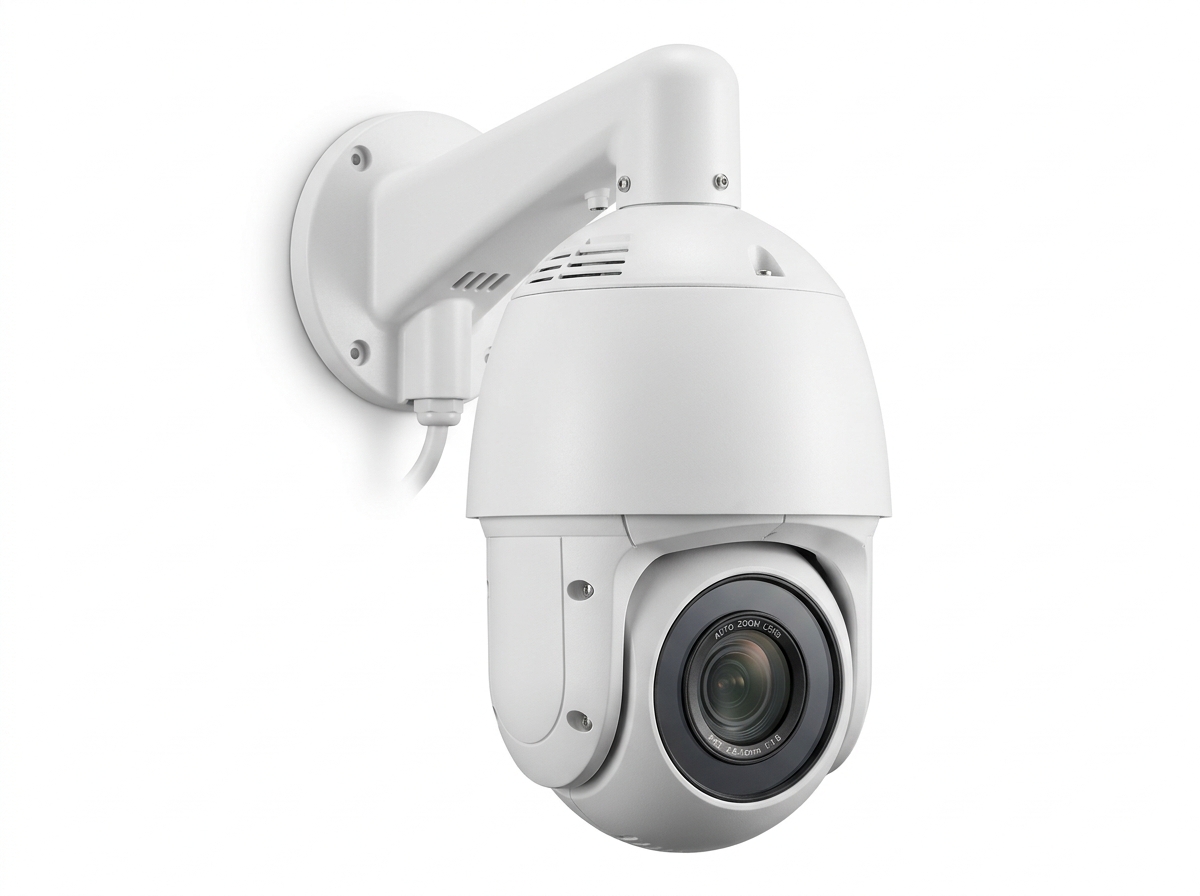
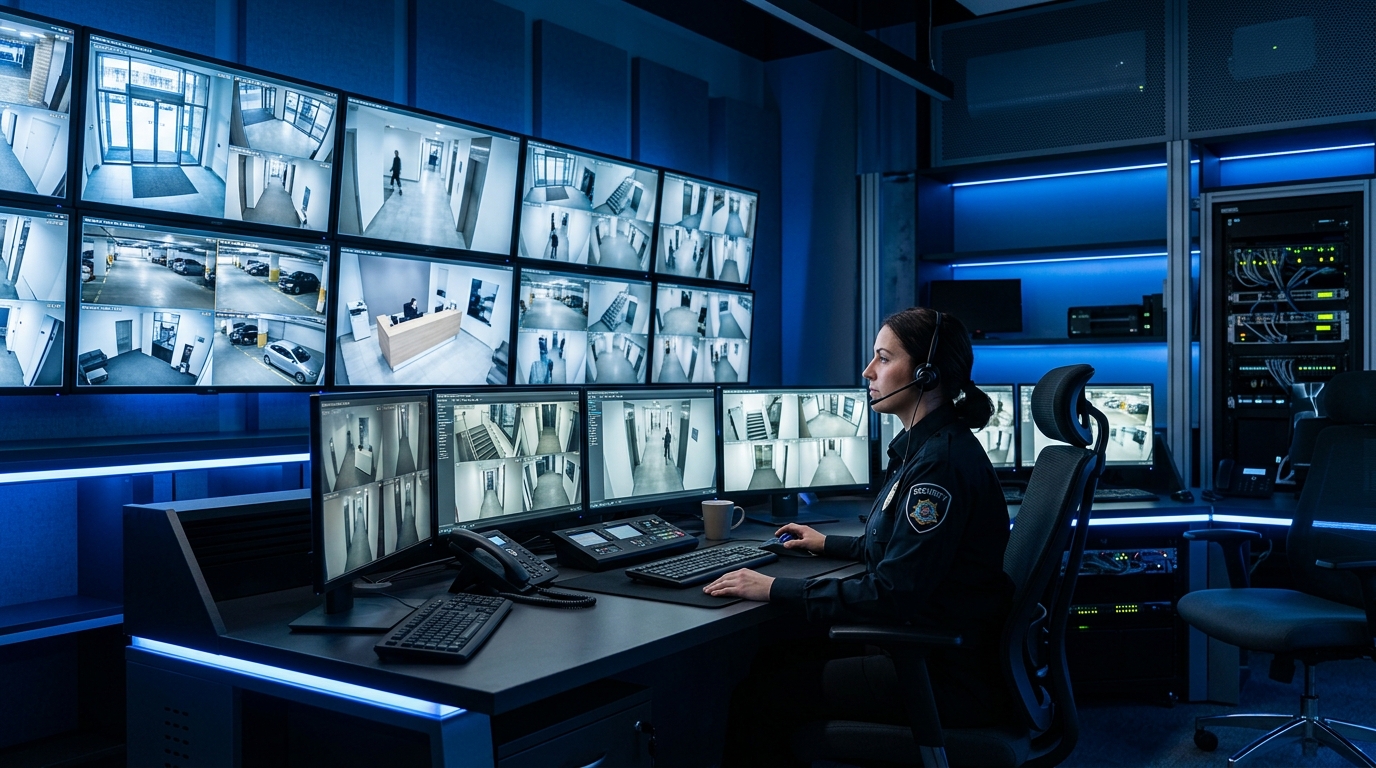
Can be remotely controlled to follow movement and zoom in on specific areas. Useful for large open spaces like warehouses or car parks where a single camera needs to cover a wide area. Operators can track subjects in real time from a monitoring station.
Turret Cameras
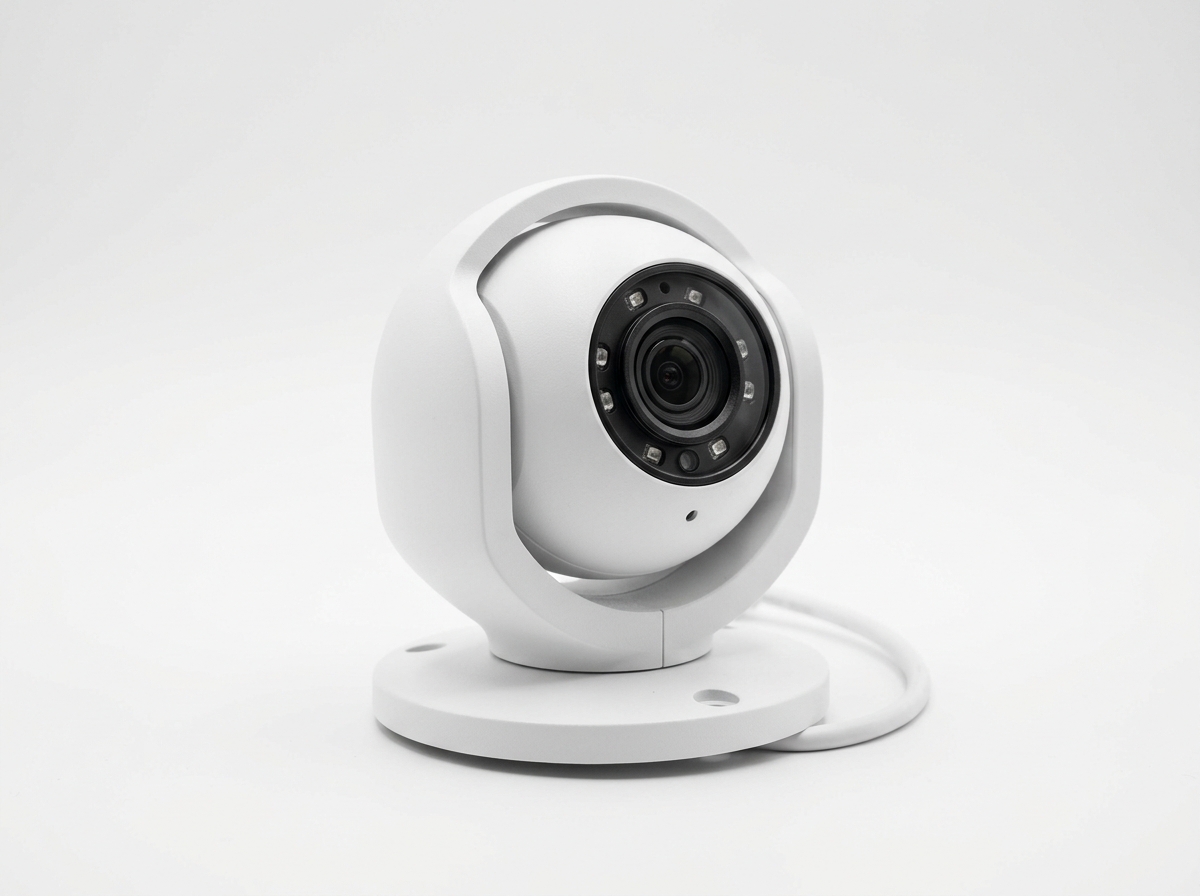
Offer a balance between dome and bullet styles — good image quality, flexible mounting, and less prone to IR reflection issues than domes. The open-face design allows the lens to be angled in any direction, making them versatile for both indoor and outdoor installations.
Resolution Matters More Than You Think
There’s no point having CCTV if the footage can’t identify faces or number plates when you need it. Here’s a rough guide:
- 2MP (1080p) — minimum acceptable for general surveillance. Fine for monitoring movement in corridors and common areas.
- 4MP — a good standard for most commercial applications. Clear enough for facial identification at reasonable distances.
- 8MP (4K) — recommended for entrances, cash handling areas, and anywhere you need to capture fine detail. Produces large files, so factor in storage costs.
Higher resolution doesn’t always mean better. A 4K camera pointed at a dark car park with no IR illumination will produce worse footage than a well-positioned 2MP camera with proper lighting. Placement and lighting matter as much as megapixels.
Storage: How Long Do You Need to Keep Footage?
Most businesses need to retain footage for 30 days as a minimum. Some industries or insurance policies require longer. Your storage options are:
- NVR (Network Video Recorder) — an on-site device that records and stores footage locally. Reliable, no ongoing subscription costs, but vulnerable to theft or damage if not secured.
- Cloud storage — footage is uploaded to a remote server. Accessible from anywhere, protected against on-site incidents, but requires a good internet connection and usually comes with a monthly fee.
- Hybrid — records locally to an NVR with cloud backup for critical cameras. The most resilient approach.
Storage capacity depends on the number of cameras, resolution, frame rate, and whether you use continuous recording or motion-triggered recording. A professional installer will calculate this for your specific setup.
Remote Access: Monitoring From Anywhere
Modern CCTV systems let you view live and recorded footage from your phone, tablet, or laptop. This is particularly useful for:
- Business owners who want to check on their premises out of hours
- Multi-site operations where a manager oversees several locations
- Incident review without needing to be on-site
Make sure your system uses a secure connection — look for systems with encrypted access, two-factor authentication, and no reliance on peer-to-peer connections that can be exploited.
A CCTV system is only as good as its installation. Poor cable management, badly angled cameras, and exposed equipment will undermine even the best hardware.

Integration With Other Security Systems
CCTV works best as part of a layered security approach. Consider how your cameras will integrate with:
- Access control — trigger camera recording when a door is accessed, or link footage to entry logs so you can see who entered and when
- Intruder alarms — activate specific cameras when an alarm zone is triggered, or use video verification to confirm genuine alarms before dispatching a response
- Fire alarms — CCTV footage can help verify fire events and assist with evacuation management
A single supplier handling all of these systems ensures they work together properly, rather than operating in separate silos.
What to Look for in an Installer
Not all CCTV installers are equal. When choosing who to work with, check for:
- Experience with commercial systems — residential installers may not understand the requirements of a business environment
- Site survey included — any installer who quotes without visiting your premises is guessing
- Maintenance and support contracts — cameras need cleaning, firmware updates, and periodic health checks to stay reliable
- Warranty and aftercare — understand what’s covered and for how long
- Accreditations — membership of recognised industry bodies demonstrates a commitment to professional standards
Don’t Wait for an Incident
Many businesses only think about CCTV after a break-in, theft, or vandalism incident. By then, the damage is done and there’s no footage to help with investigation or insurance claims. A properly designed system pays for itself the first time it prevents or helps resolve a security incident.
If you’re considering a CCTV system for your business or need an upgrade, get in touch for a free site survey. We’ll assess your premises and recommend a system that fits your requirements and budget — no hard sell, just honest advice.