CCTV is no longer a “nice to have” for UK businesses. Between retail violence, organised theft and high-profile public incidents that can unfold on a high street in seconds, the real question is not whether to install commercial CCTV. It is whether your existing system is good enough to help when something happens.
The events in Golders Green on 29 April 2026 are a reminder of how quickly that question becomes real.
What Happened in Golders Green
On the morning of Wednesday 29 April 2026, two Jewish men were stabbed in broad daylight in Golders Green, north London. The Metropolitan Police formally declared the attack a terrorist incident. A 76-year-old man and a 34-year-old man were treated for stab wounds and taken to hospital. A 45-year-old suspect was arrested on suspicion of attempted murder.
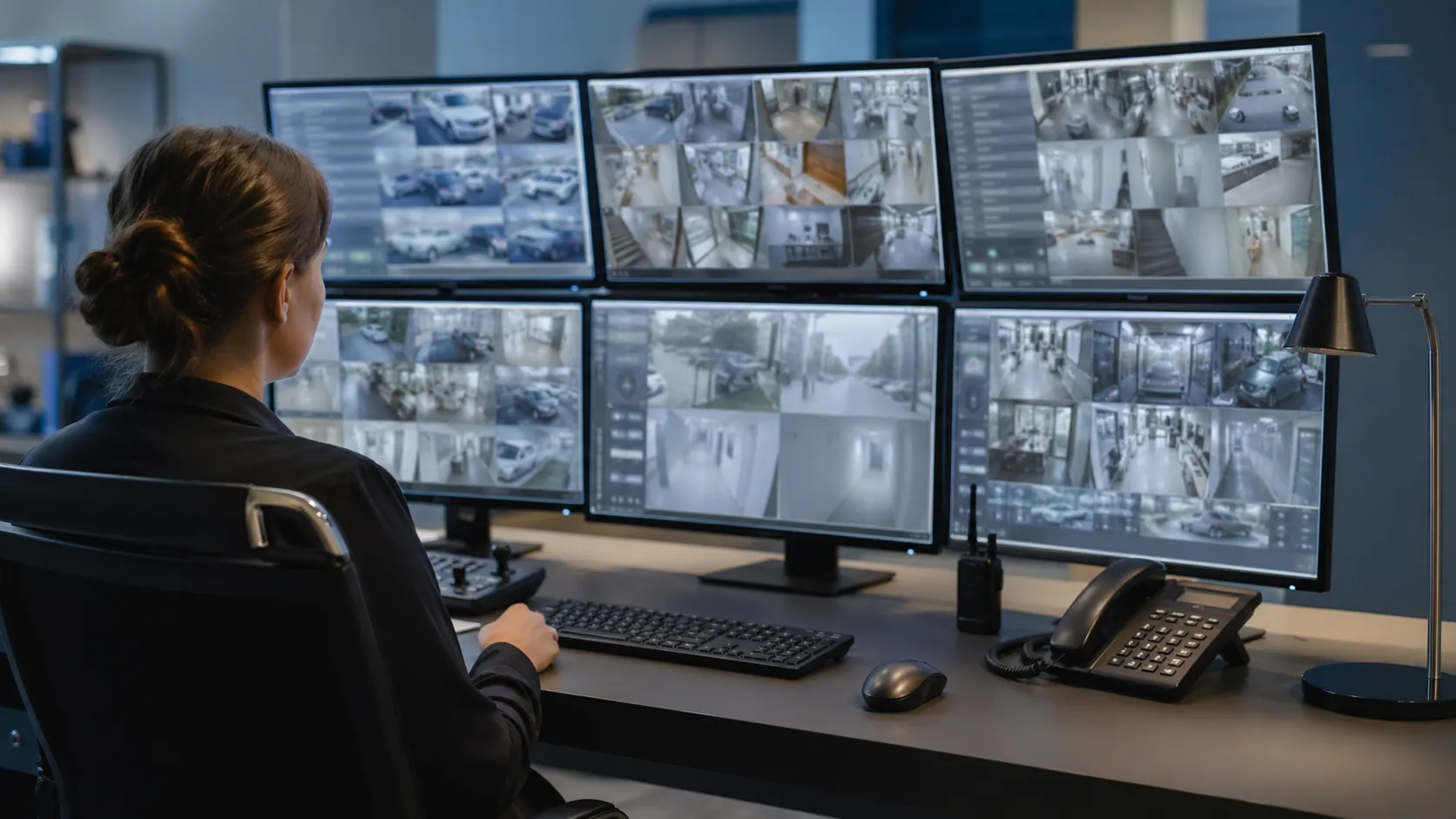
The attack lasted around 15 minutes. What allowed police, journalists and the public to reconstruct what happened, almost minute by minute, was CCTV.
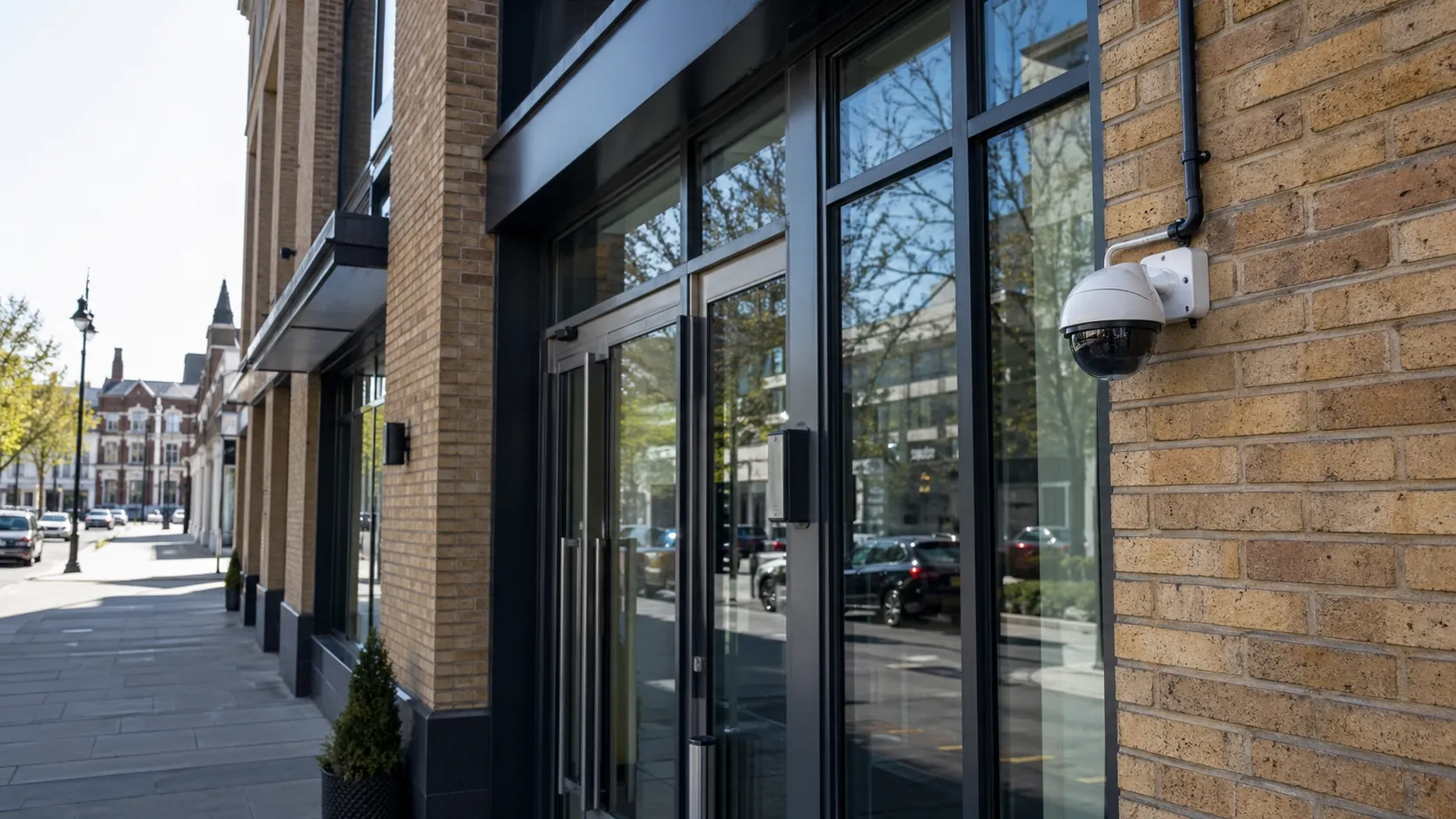
Footage obtained by ITV News and other outlets showed the suspect’s movements after the first stabbing and before the second victim was attacked. Local shop and street cameras captured the route, the timing and the suspect’s appearance clearly enough to give investigators and the public a much clearer picture of what had taken place.
That evidence matters for the criminal case. It also matters for everyone else: residents, businesses, and the wider public. Without it, the response would have been slower, the investigation harder, and the public conversation far less informed.
CCTV Did Not Stop the Attack, But It Changed What Came Next
It is important to be honest about what CCTV does and does not do. A camera on a shopfront in Golders Green did not prevent that attack. No camera ever could.
What CCTV does do, reliably and every day across every kind of business, is three things:
- Deter opportunistic offenders who choose softer targets
- Document what happened when an incident does occur
- Defend your business legally, financially, and reputationally afterwards
For most UK businesses, the second and third points are where CCTV pays for itself many times over. The Golders Green case is an extreme example, but the same dynamic plays out every day in shops, offices, warehouses, and forecourts across the country.
The Numbers Behind UK Business Crime
The scale of business-related crime in the UK is still at a level that would have been hard to imagine ten years ago. The latest figures are not all moving in the same direction, but they point to the same practical conclusion: UK businesses need CCTV that produces clear, usable evidence.
Recent industry and official figures show the scale of the risk:
- ONS police-recorded shoplifting offences hit 530,643 in the year to March 2025, a 20% increase year on year and the highest figure since current recording practices began. The later ONS year ending December 2025 figure was 509,566, a 1% fall on the previous year, but still extremely high by historic standards.
- The British Retail Consortium’s 2025 survey estimated more than 20 million theft incidents in a single year, with the direct cost of stolen goods reaching £2.2 billion.
- The same BRC survey estimated the total cost of retail crime, including prevention, at around £4.2 billion.
- Violence and abuse against retail workers ran at roughly 1,600 incidents per day in the latest BRC reporting period. That is down from the previous peak of 2,000 per day, but it is still the second-highest figure on record and far above the pre-pandemic level of 455 per day.
- The BRC also reported around 36 incidents per day involving a weapon.
- Auror’s UK retailer data found that the most prolific 10% of offenders were responsible for 68% of retail crime, and that repeat offenders were more than three times more likely to use a weapon or be physically abusive.
Convenience retailers alone spent an estimated £313 million on crime prevention in the last year, according to the Association of Convenience Stores. That investment includes CCTV, security tagging, protective screens, facial recognition and AI store monitoring. The early signs are that investment is starting to push some categories of crime down. Businesses without that investment are increasingly the ones being targeted.
Why CCTV Has Become Essential
For a modern UK business, CCTV is now playing four distinct roles. A serious system addresses all of them.
1. Deterrence
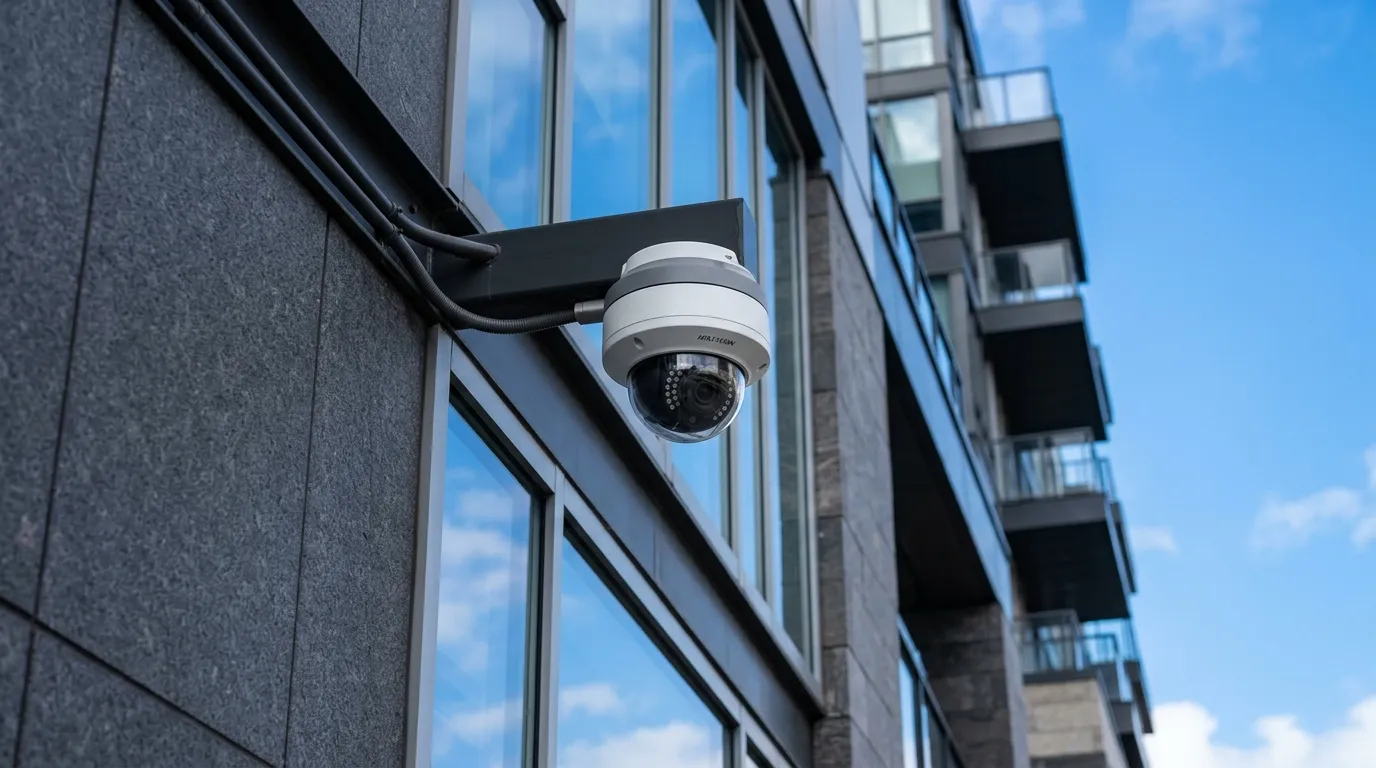
Visible, well-positioned cameras change offender behaviour. Repeat shoplifters, opportunistic vandals, and antisocial groups consistently choose premises with weaker surveillance. A clearly signed commercial CCTV system at entrances, tills, and back-of-house areas is one of the cheapest and most effective deterrents available.
2. Evidence for Police and Prosecutions
Police forces dealing with high volumes of crime increasingly rely on usable CCTV to take cases forward. Clear, time-stamped, high-resolution footage is often the difference between a case that can progress and one that cannot. Footage from cameras in Golders Green helped police and the public understand the suspect’s movements quickly.
3. Staff and Customer Safety
Retail and hospitality workers are now subjected to verbal abuse, threats and physical violence at rates that would not be tolerated in any office environment. Live-monitored CCTV, panic-linked cameras and integration with intruder alarms allow incidents to be flagged, recorded and acted on in real time. This matters legally as well as operationally. The Crime and Policing Act 2026 introduced a specific offence of assaulting a retail worker, and employers still have broader duty of care obligations to protect staff from foreseeable harm.
4. Insurance and Civil Liability
Insurers increasingly expect CCTV as a baseline, not an upgrade. Premises without it, or with poorly maintained systems that produce unusable footage, can face higher premiums, larger excesses and, in some cases, refusal of cover for theft and public liability claims. After an incident, the absence of footage can shift the burden of proof onto the business and weaken its position in any dispute.
What “Good CCTV” Actually Looks Like
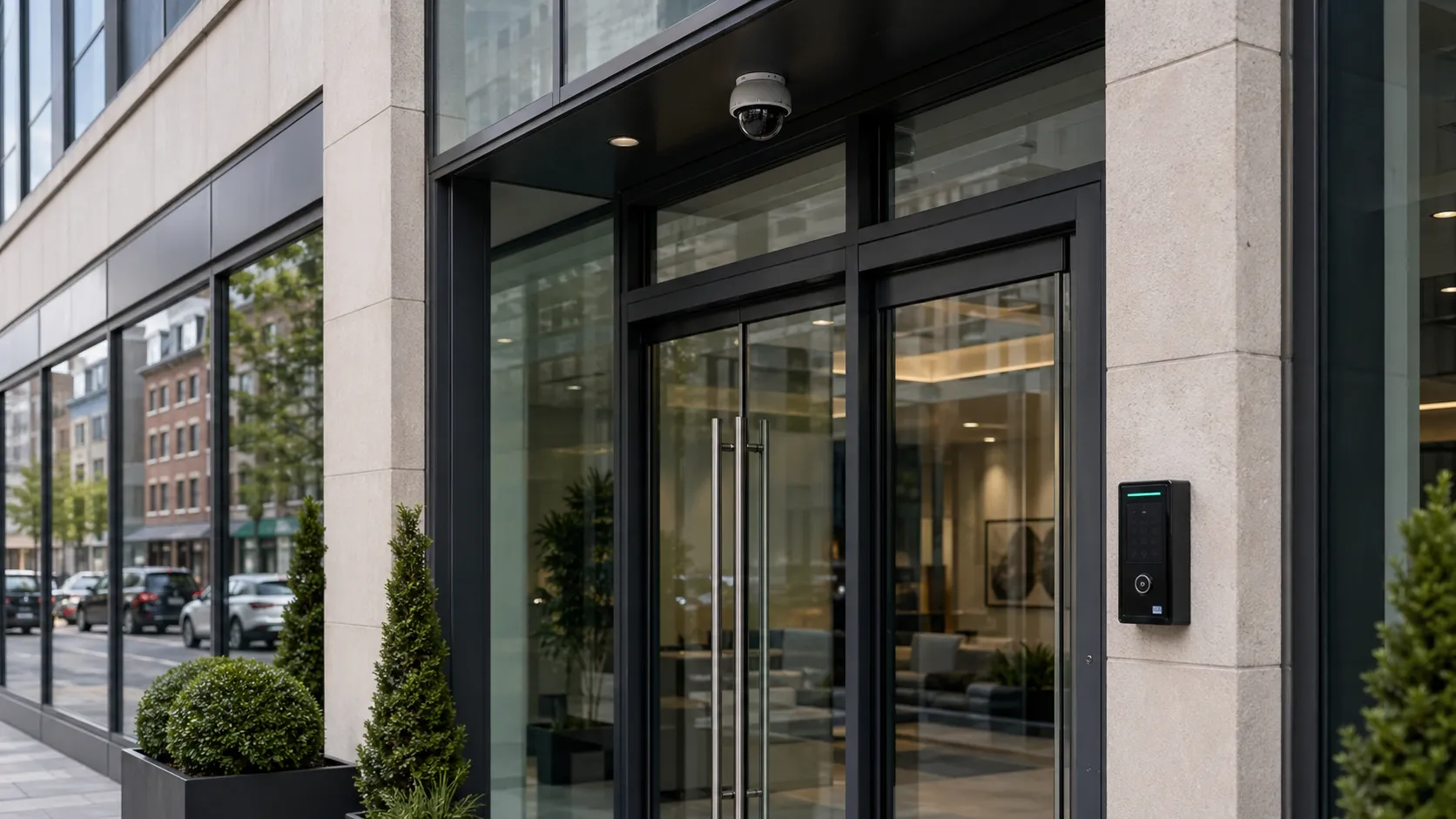
The hard truth is that a lot of installed CCTV in the UK is not fit for purpose. Cameras point at the wrong angles, the resolution is too low to identify a face, recordings are overwritten after seven days, remote access is missing, and maintenance is patchy. The system is technically there, but it does not deliver when it matters.
A CCTV system that earns its place in a modern business should meet the following standards:
- Coverage of every realistic risk point: entrances, exits, tills, stockrooms, loading bays, fire escapes, car parks, and any external blind spot facing a public area.
- Resolution sufficient to identify, not just observe: typically 4MP for general areas and 8MP / 4K for entrances and high-risk zones.
- Reliable performance in low light: IR illumination, true day/night sensors, or dedicated lighting wherever you need usable footage at night.
- Minimum 30 days of retention, with hybrid local-plus-cloud storage so footage cannot be destroyed by a single break-in or fire.
- Encrypted remote access with two-factor authentication, so owners and managers can review live and recorded footage securely from off-site.
- Integration with intruder alarms, access control, and where appropriate fire systems, so a single trigger pulls the relevant footage automatically.
- Documented maintenance: lens cleaning, firmware updates, recording verification, and periodic test exports. Untested CCTV is unreliable CCTV.
A system designed to these standards is the difference between giving police a 4K clip of a recognisable face and giving them a blurry, time-stamp-wrong, partially-recorded mess that nobody can use.
Data Protection and the Law
CCTV is regulated, and the rules tightened again in recent years. UK businesses operating commercial CCTV must comply with:
- The UK GDPR and Data Protection Act 2018, because CCTV footage is personal data when individuals can be identified. Lawful basis, retention periods, and access rights apply.
- The Surveillance Camera Code of Practice issued under the Protection of Freedoms Act 2012, setting out 12 guiding principles for legitimate CCTV use.
- The ICO’s video surveillance guidance, which requires clear signage, a documented purpose, proportionate coverage, and the ability to respond to subject access requests.
- Sector-specific rules in licensed premises, healthcare, and education that may impose additional obligations.
A professional installer should be able to advise on signage, retention, and a written CCTV policy as part of the installation, not as an afterthought.
A CCTV system that is technically excellent but legally non-compliant is a liability, not an asset. Both sides have to be right.
The Pattern Across Recent UK Incidents
Look at almost any high-profile incident on a UK high street in the last 18 months: terror attacks, knife crime, organised retail theft or public disorder during protests. The same pattern emerges. CCTV from local businesses is consistently the evidence that:
- Identifies suspects within hours, not days
- Allows police to issue accurate public appeals
- Confirms timelines and rules out wrongful suspicion
- Supports victims in court and at insurance claims stage
- Reassures the wider community that the area is being watched and protected
In Golders Green, that civic role mattered enormously. The incident shocked a community that has good reason to be concerned about its safety. The fact that footage could be reviewed and reported within hours gave residents and businesses something concrete to point to instead of rumour and speculation.
That same dynamic, scaled down, plays out for individual businesses every week. A shop that can produce clear footage of a theft, an assault, or a fraudulent slip-and-fall claim is a shop that controls its own narrative. A shop that cannot is at the mercy of whoever shouts loudest.
What to Do If Your CCTV Is Not Up to Standard
If you read the standards above and recognised gaps in your own setup, you are not alone. A meaningful proportion of UK commercial CCTV systems are five to ten years out of date, badly positioned, or were specified for a quieter pre-pandemic risk profile that no longer matches reality.
A practical starting point:
- Commission a site survey from a commercial CCTV specialist, not a residential installer. Risk profiles, coverage requirements, and compliance obligations are very different.
- Audit your existing footage. Pull a recording from last week. Can you identify a face at the entrance? A number plate in the car park? A till transaction? If the answer is “not really”, the system is underperforming.
- Check your retention period and storage redundancy. If a thief stole or destroyed your NVR tonight, would you have anything to give the police tomorrow?
- Review your CCTV policy and signage. Are you ICO-compliant? Do staff and visitors know they are being recorded, and on what basis?
- Plan upgrades around real risks, not generic packages. Entrances and high-value areas first; nice-to-haves later.
How IDS Global Can Help
At IDS Global, we design, install, and maintain commercial CCTV systems for businesses across London and the surrounding areas, including retail, hospitality, offices, warehousing, multi-tenant buildings, and managed estates. Every system starts with a free site survey. We look at the actual risks at your premises, the gaps in any existing setup and the realistic threats you need to plan for, then specify a system that fits.
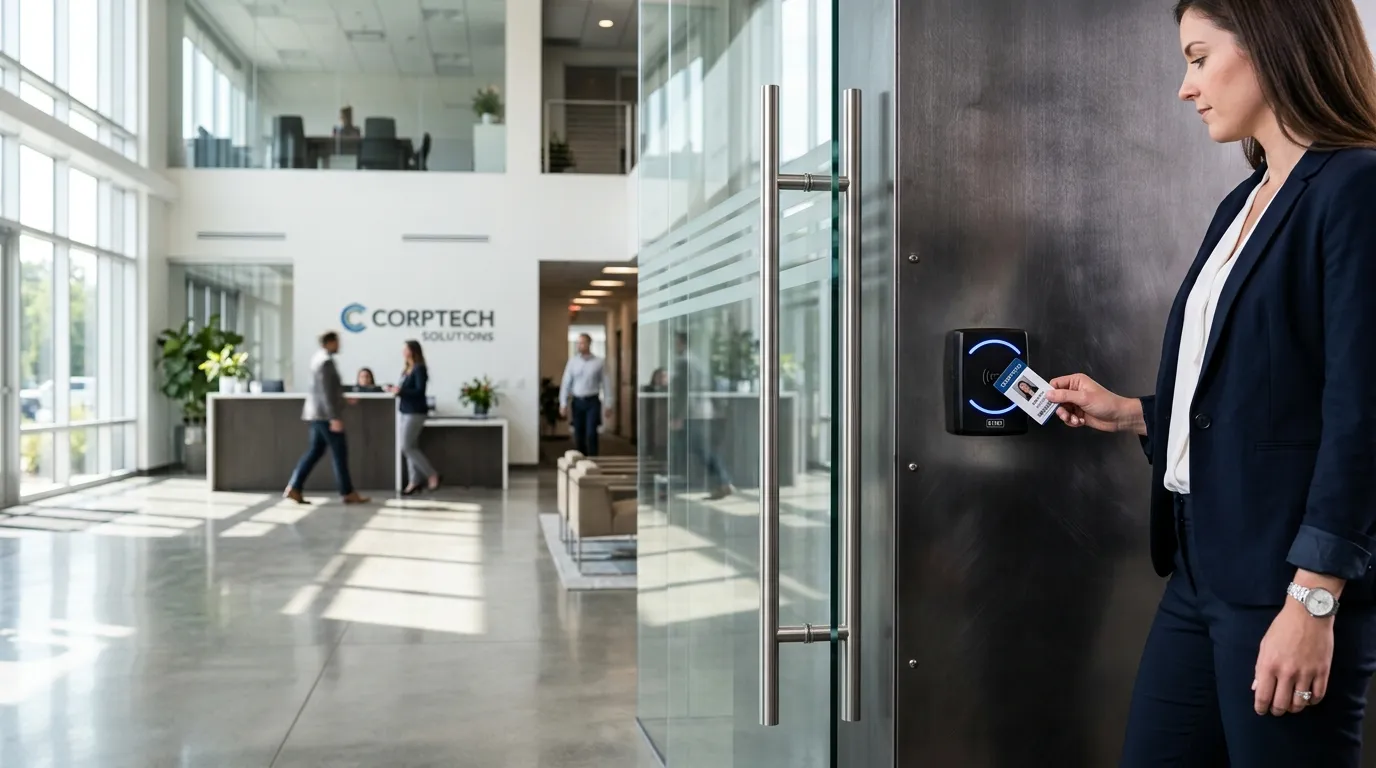
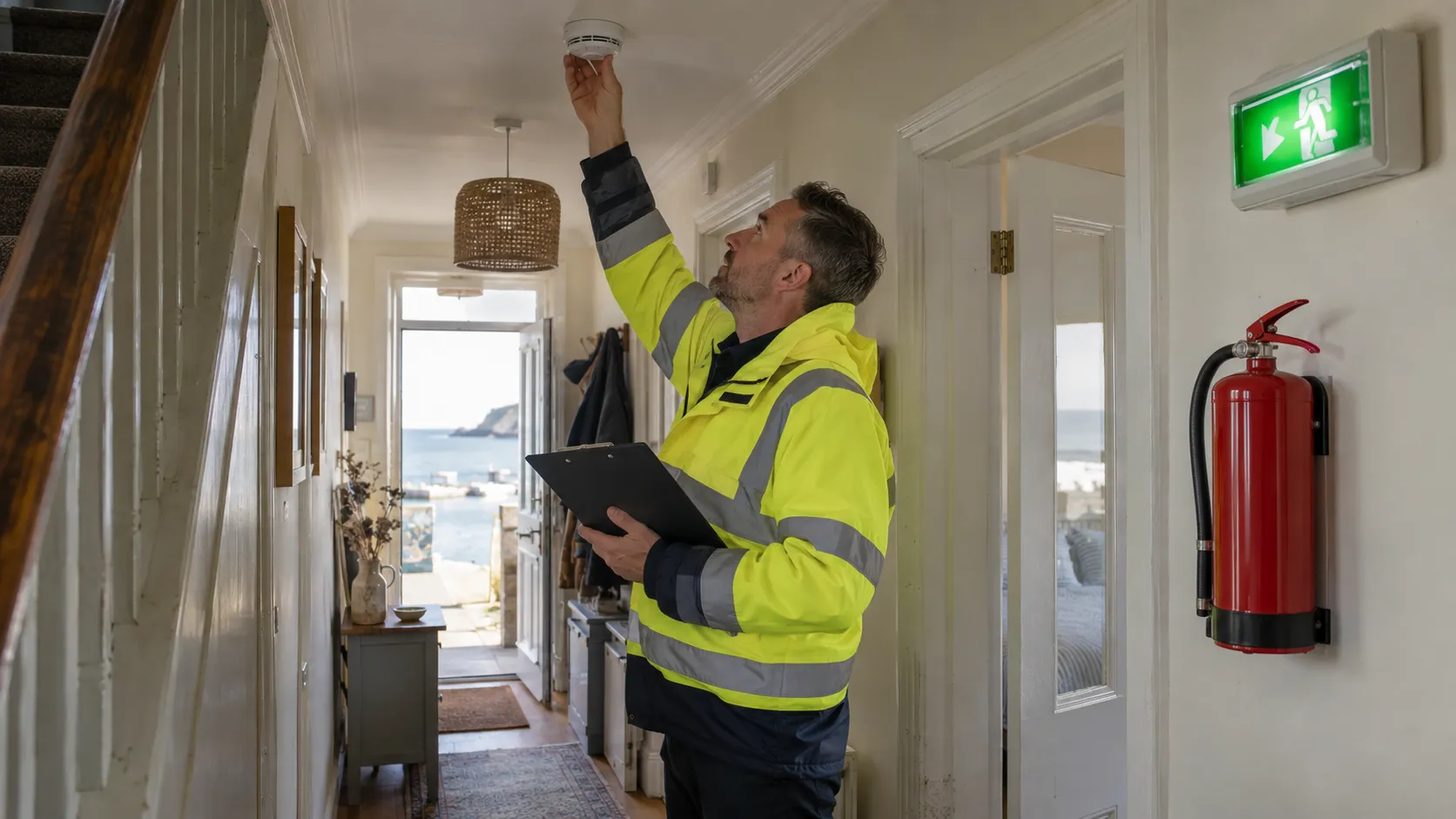
We also integrate CCTV with access control, intruder alarms, and fire systems where appropriate, so the whole security stack works as one system instead of separate boxes that nobody owns.
If recent incidents have made you reconsider whether your CCTV is genuinely up to the job, get in touch for a free site survey. We will give you an honest assessment, including telling you when an existing system is fine and only needs minor improvements.
Call us on 0203 761 1716 or request a callback today.