Fire Risk Assessments by IDS Global

Fire Safety Compliance & Maintenance in Marlborough

Fire risk assessments, fire door inspections, fire extinguisher servicing and alarm monitoring for Marlborough's High Street hotels, independent shops, yard workshops and rural premises across the SN8 area.

Marlborough grew as a staging post on the Bath Road, and its commercial core still reflects that: deep burgage plots behind narrow frontages, carriage arches into former stable yards, and rooms above shops reached by passages through the ground floor.

We travel from our Hayes head office west along the M4 to junction 15, then south on the A346 into the town. IDS Global was established in 2011 and is a member of the IFSM and the FPA.

Businesses and buildings in Marlborough

The Marlborough Area Neighbourhood Plan describes the High Street as the centre of retail activity for the area, with national chains alongside independent shops, cafes, teashops, pubs and hotels, selling everything from books and art to fabrics and antiques. In its secondary frontages, such as The Parade and London Road, it notes some properties have been converted to homes. Hotels named in the 2003 conservation area statement include the Castle and Ball, which spans two burgage plots, the Merlin and the Ivy House, an 18th century building with a cobbled courtyard.

Away from the centre, the plan records a modern business park on the southern edge of town housing trade suppliers, offices, a food producer, a vehicle repairer and a dental practice, plus small pockets of industry along the north side of the A4 west of the town. Care homes, schools, retail and catering are among the main employers. The whole neighbourhood plan area, including Savernake and Mildenhall parishes, sits within the North Wessex Downs Area of Outstanding Natural Beauty, with the privately owned 4,500 acre Savernake Forest to the south.

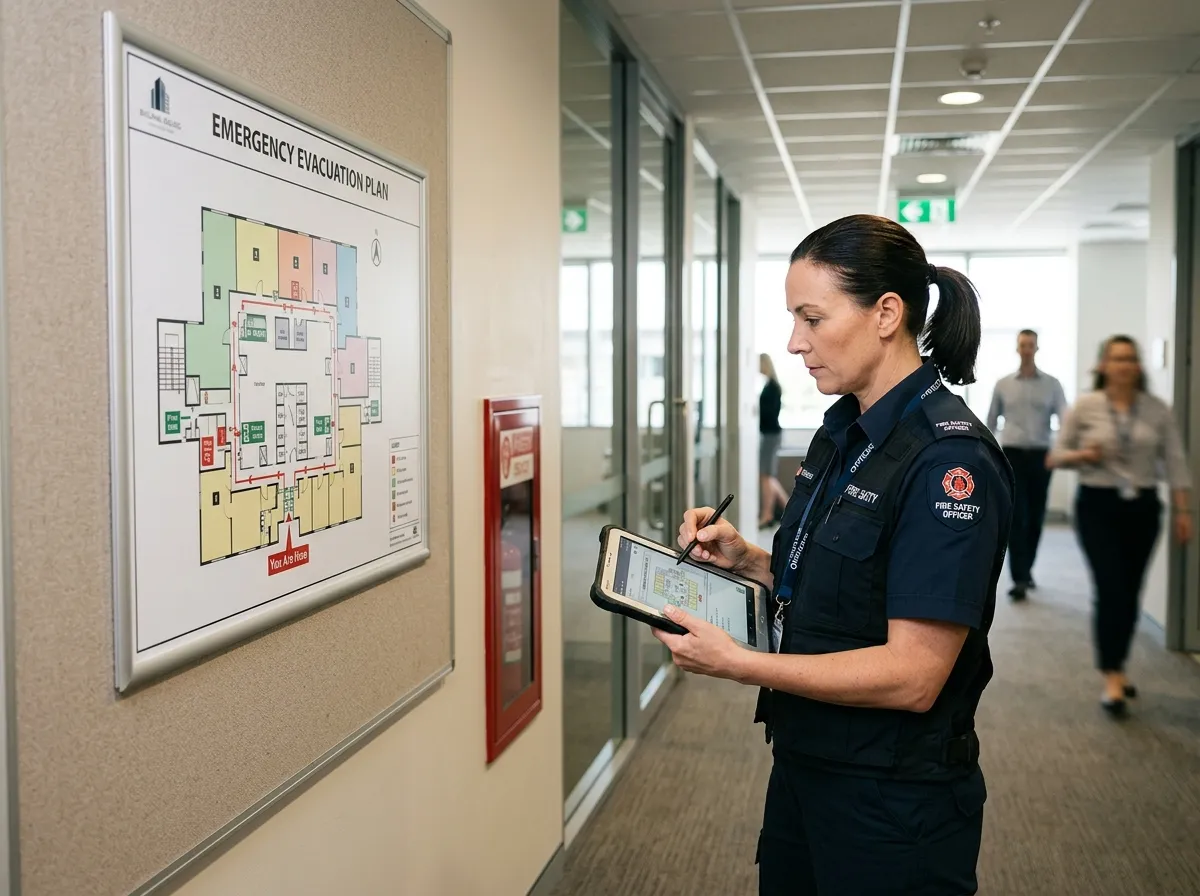
Fire Risk Assessments by IDS Global

Fire Risk Assessments in Marlborough

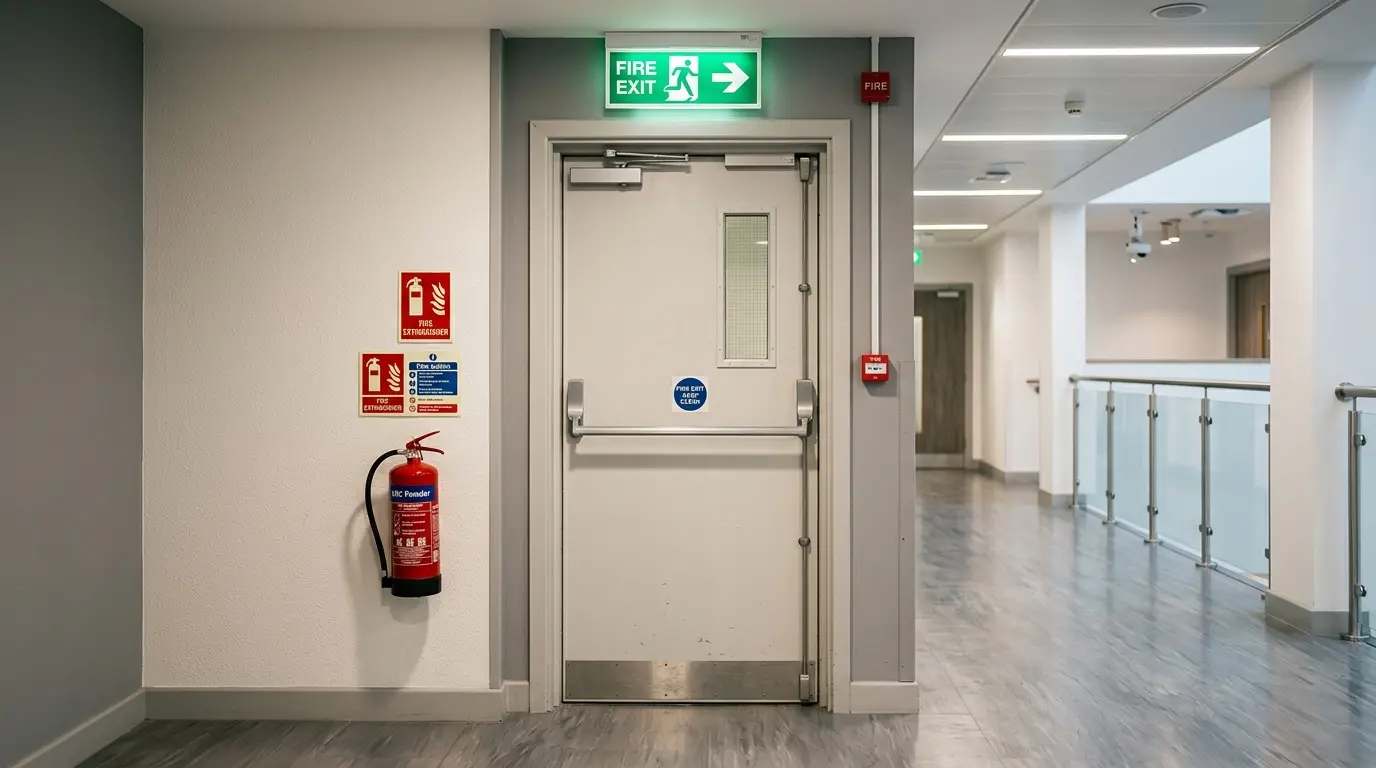
A High Street property here may combine a shop at the front, storage running back down a long plot, and a flat or letting rooms above, reached through a side passage. The 2003 conservation area statement notes that many of these passages have been blocked and absorbed into ground floor space, which can change how people upstairs get out in a fire. The assessment has to reflect the building as it is now.

We carry out fire risk assessments under the Regulatory Reform (Fire Safety) Order 2005 and provide a written, prioritised action plan. For heritage buildings, recommendations are set out so they can be discussed with Wiltshire Council as the planning authority before any work goes ahead.

Fire risk assessments
Fire Doors by IDS Global

Fire Door Inspections in Marlborough

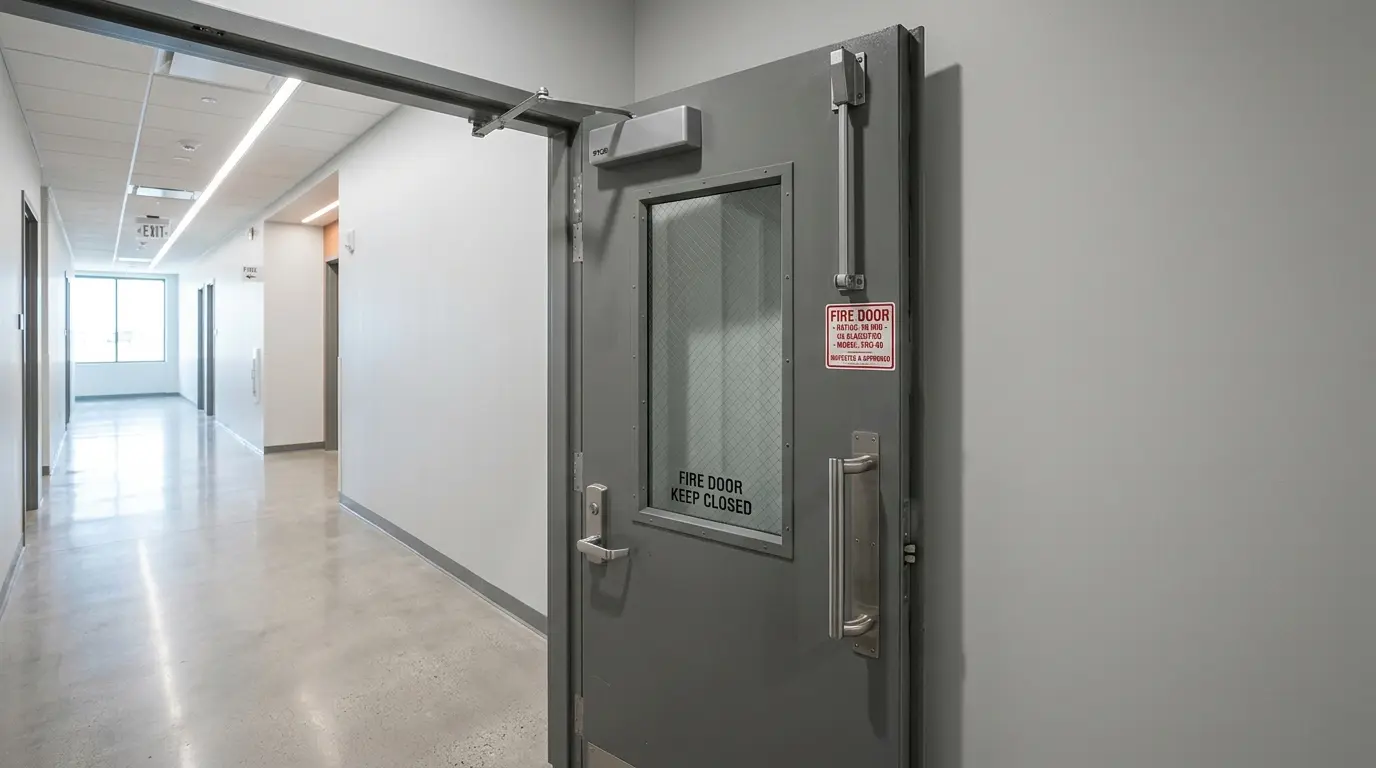
Former coaching inns and 18th century hotels depend on fire doors to protect corridors and stairs used by sleeping guests. In older buildings, doors can warp and seals and closers wear with use. Government guidance for small guest accommodation recommends checking fire doors every six months to confirm they are undamaged and still fit their frames.

Our inspections record each door's gaps, hinges, seals, closer and signage. You receive a report with photographs and remedial priorities.

Fire door inspections
Fire Safety Equipment by IDS Global

Fire Extinguisher Servicing in Marlborough

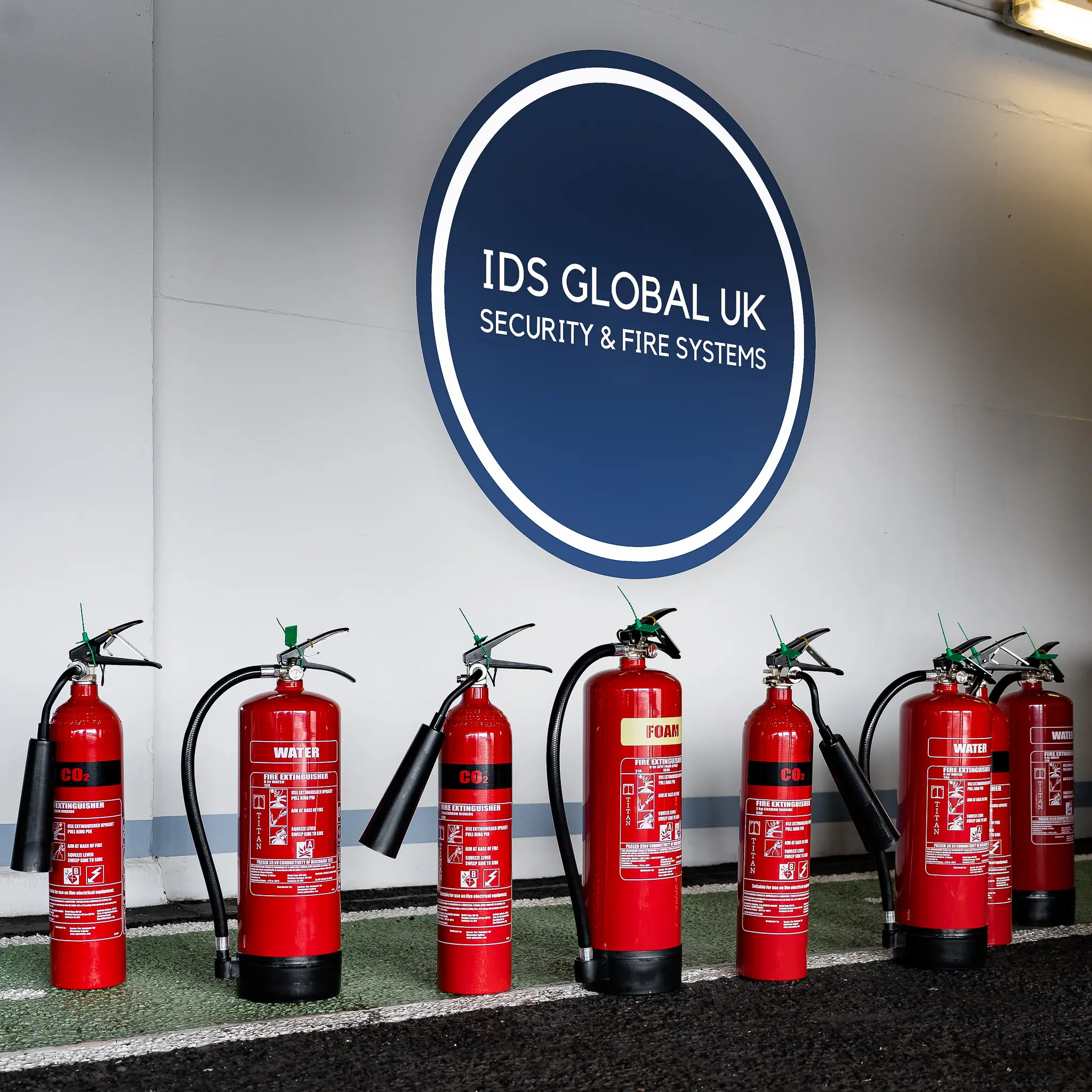
A hotel kitchen, a tea room and a vehicle repairer on the business park face different hazards and need different extinguisher types. We service extinguishers, check each suits the risk it covers, replace condemned or discharged units and update the record.

The same Government guidance recommends that extinguishers in guest accommodation are serviced annually by a competent contractor.

Fire extinguisher servicing
Maintenance & Monitoring by IDS Global

Alarm Monitoring in Marlborough

Premises on the edge of town, in Savernake and Mildenhall parishes or along the A4 may be some distance from anyone who would hear a local bell.

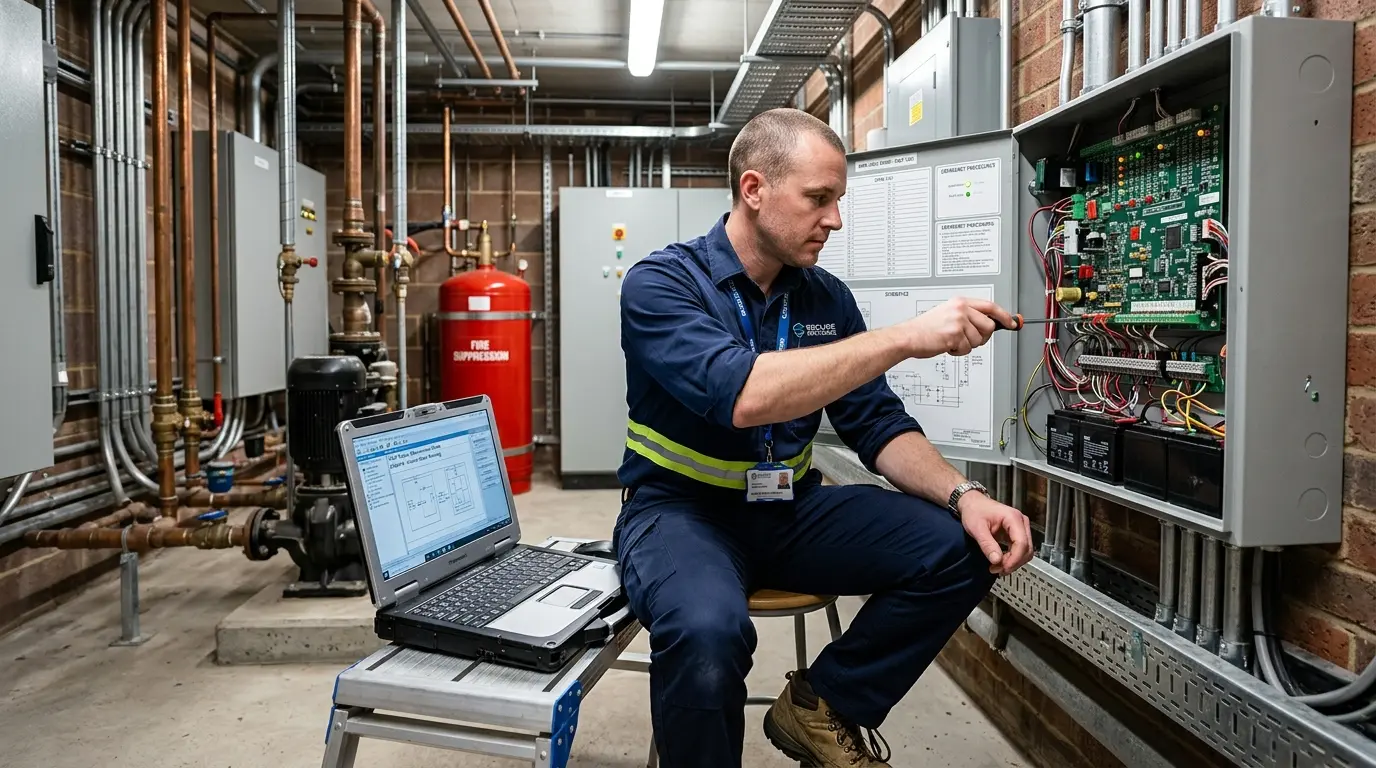
We connect existing fire and intruder alarm systems to 24/7 monitoring, so alarms are passed straight to your keyholders or the emergency services, and faults are reported before they leave the building unprotected.

Alarm monitoring

A town rebuilt after fire

The conservation area statement records that the great fire of 1653 began at a tannery in the south west of the High Street and spread through thatched and timber-framed buildings. Further fires followed in 1679 and 1690, and a 1690 Act banned thatched roofs. Much of the High Street was re-fronted, but the statement says timber frames clad in brick or clay tiles still predominated in 2003, and that recurring fires have continued to destroy surviving frames. A block at Hillier's Yard lost most of its structure to fire in 1965 and had not been rebuilt by 2003.

Conservation area, yards and the neighbourhood plan

The conservation area was first designated by Wiltshire County Council in 1971, and the Department of the Environment recognised Marlborough as an Outstanding Conservation Area in 1976. The 2003 statement lists passages still in use off the High Street, including Angel Yard, Ailesbury Court and Hilliers Yard, whose 18th century stables became small shops in the 1980s. The Marlborough Area Neighbourhood Plan, covering the period to 2036, was approved at a referendum in March 2023 by 939 votes to 163 and now guides Wiltshire Council's planning decisions in the area.

Guest accommodation and fire safety law

Inns, guest houses and self-catering lets in and around Marlborough fall under the Fire Safety Order. The Government guide for small paying guest accommodation, updated in January 2025, covers premises of up to two floors sleeping no more than ten people. Its 2024 revision added requirements from Section 156 of the Building Safety Act 2022, and it states that a record of the completed fire risk assessment and its findings must be kept. Hotels and larger premises should follow the separate Government guidance for sleeping accommodation.

Recorded crime around the High Street

police.uk street-level data for a one mile radius of Marlborough High Street records 494 crimes between August 2025 and July 2026. That total includes 90 shoplifting offences, 35 other thefts, 34 of criminal damage and arson, 19 vehicle crimes and 14 burglaries. Figures are approximate because police.uk maps each crime to a nearby anonymised point.

Frequently asked questions

We run a small B&B in a listed Marlborough building. Do we need a written fire risk assessment?

Yes. The Government guide for small paying guest accommodation states that you must keep a record of the completed fire risk assessment, including its findings and anyone particularly at risk. If you do not feel confident preparing it yourself, the guide advises using a competent fire risk assessor. You remain legally responsible either way.

How often should fire doors in a Marlborough hotel be checked?

For small guest accommodation, Government guidance recommends checking fire doors every six months to confirm they are in good condition and fit their frames. Larger hotels should set a frequency through their fire risk assessment, taking account of how heavily each door is used and whether it protects a sleeping area or an escape stair.

Which fire station covers Marlborough?

Dorset and Wiltshire Fire and Rescue Service runs an on-call station in Marlborough. Business owners remain responsible for fire safety in their own premises under the Fire Safety Order. The service lists Calne, Devizes, Pewsey and Ramsbury as nearby stations. Its recorded incidents include field fires, farm fires, house fires, electrical fires and road traffic collisions.

Is alarm monitoring worthwhile for a premises near Savernake Forest?

If a building has no close neighbours, a local bell may go unheard, so monitoring can make the difference between a quick response and none. A monitored system passes each activation to a receiving centre, which contacts your keyholders or the emergency services.

Our shop has a flat above reached through a side passage. What should the assessment cover?

It should cover the whole route from the flat to open air, whether the passage is still clear, and how the shop is separated from the residential part. The conservation area statement notes that many High Street passages have been blocked and absorbed into shops over time, so the escape arrangements may differ from the original layout.

Need a compliance visit in Marlborough?

Tell us about your premises and we will arrange an assessment or a servicing visit.

Or call directly:0203 761 1716