Fire Alarm Systems
Commercial fire alarm design, installation, and commissioning to BS 5839 standards.
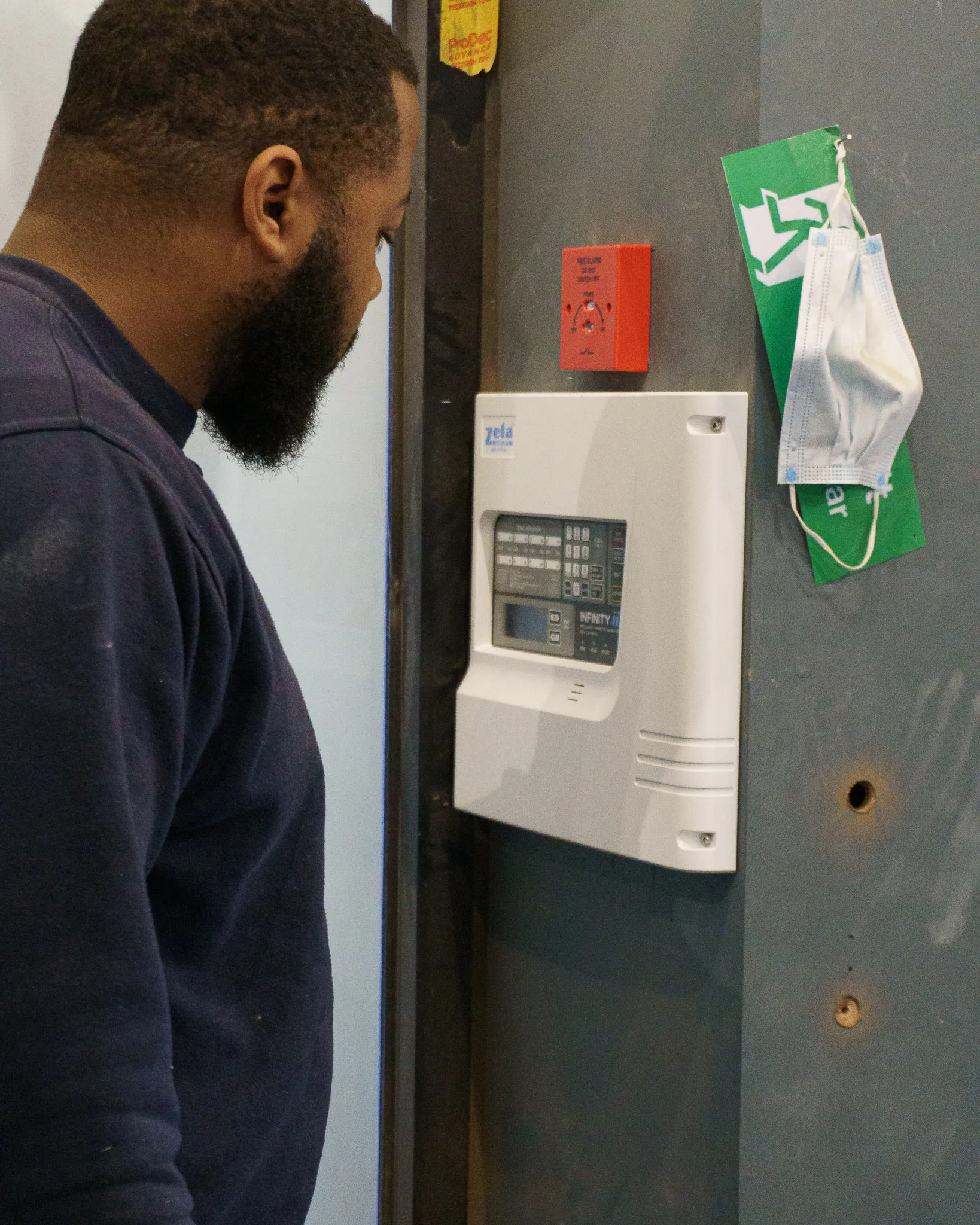
What is a commercial fire alarm system?
A commercial fire alarm system is a network of detection devices, sounders, and control equipment designed to identify the early signs of fire and alert building occupants. Unlike domestic smoke alarms, commercial systems are engineered to protect larger, more complex premises — offices, warehouses, HMOs, retail units, and multi-occupancy buildings.
Under the Regulatory Reform (Fire Safety) Order 2005, the "responsible person" for any non-domestic premises in England and Wales must ensure that an appropriate fire detection and warning system is in place. The type and complexity of system required depends on the building's use, layout, and fire risk assessment.
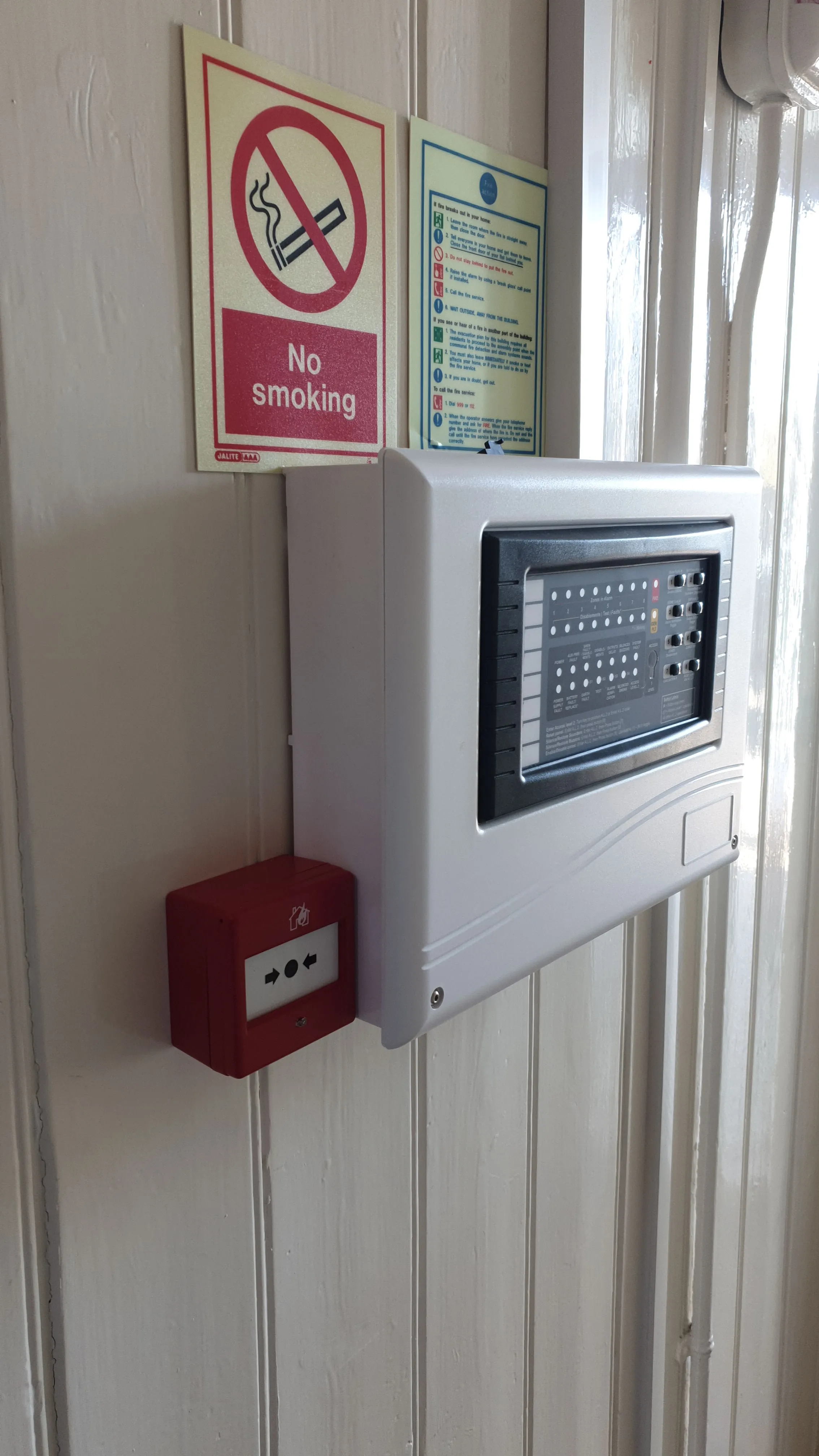
BS 5839: The Standard That Governs Fire Alarm Design
All commercial fire alarm systems in the UK should be designed, installed, and maintained in accordance with BS 5839-1. This British Standard defines six system categories, each suited to different levels of protection:
- Category L1 — Full building coverage. Detectors in all areas including roof voids and cupboards. Required for high-risk premises such as care homes and HMOs.
- Category L2 — Protection of escape routes plus high-risk rooms (kitchens, plant rooms, storage areas). Common in offices and commercial buildings.
- Category L3 — Protection of escape routes only. Suitable for lower-risk premises where the primary concern is safe evacuation.
- Category L4 — Detection within escape routes only. Often found in smaller buildings with straightforward layouts.
- Category L5 — Custom-engineered system to satisfy a specific fire risk assessment. Designed where standard categories don't fit.
- Category M — Manual system only (break glass call points, no automatic detection). Used where manual activation is considered sufficient.
Your fire risk assessment determines which category your building requires. We design every system to meet or exceed the recommended category, and we document the rationale for your compliance records.
Conventional vs Addressable Systems
There are two main types of commercial fire alarm system, and the right choice depends on your building's size and complexity.
Conventional systems divide the building into zones. When a detector activates, the control panel identifies the zone but not the specific device. These are cost-effective for smaller premises with simple layouts — typically buildings with fewer than four or five zones.
Addressable systems assign a unique address to every detector, call point, and sounder on the network. When a device triggers, the control panel identifies the exact location — for example, "Smoke detector, Second Floor, Room 204." This makes them far more efficient for larger buildings, multi-storey premises, or sites where fast location of a fire is critical.
For most commercial installations, we recommend addressable systems. The slightly higher upfront cost is offset by faster fault-finding, simpler maintenance, and more precise fire location — which can make the difference between a contained incident and a serious loss.
What Does Installation Involve?
Every fire alarm project follows the same structured process, whether it's a new installation or a replacement of an existing system.
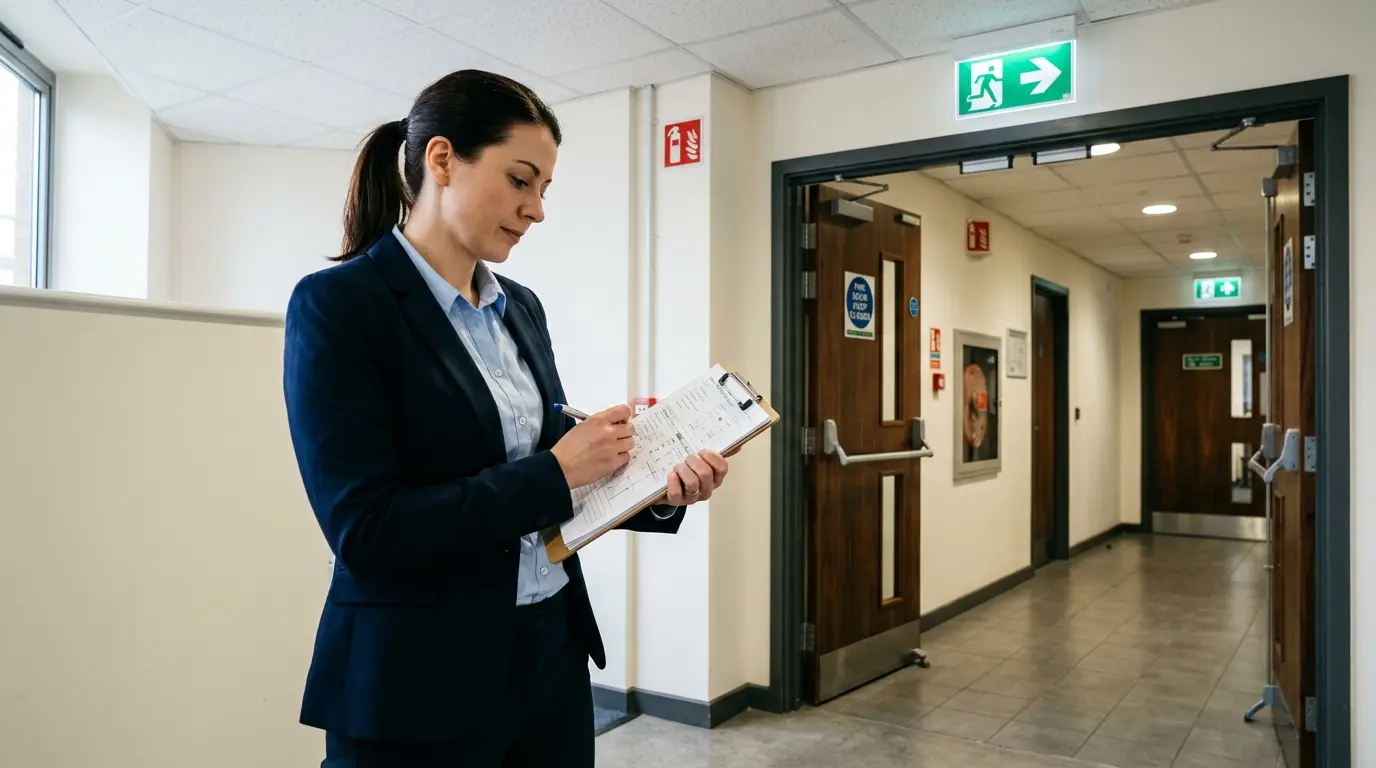
- Site survey — We visit your premises to assess the building layout, occupancy type, existing fire measures, and any constraints (listed building restrictions, asbestos, ceiling types).
- System design — Based on the survey and your fire risk assessment, we produce a system design specifying detector types and positions, sounder locations, call point placement, cable routes, and the control panel specification.
- Installation — Our engineers install all cabling, devices, and the control panel. We work around your business operations and can schedule out-of-hours work where needed.
- Commissioning — Every device is tested individually and as part of the full system. We verify detection coverage, sounder audibility throughout the building, and correct panel programming. You receive a commissioning certificate and full system documentation.
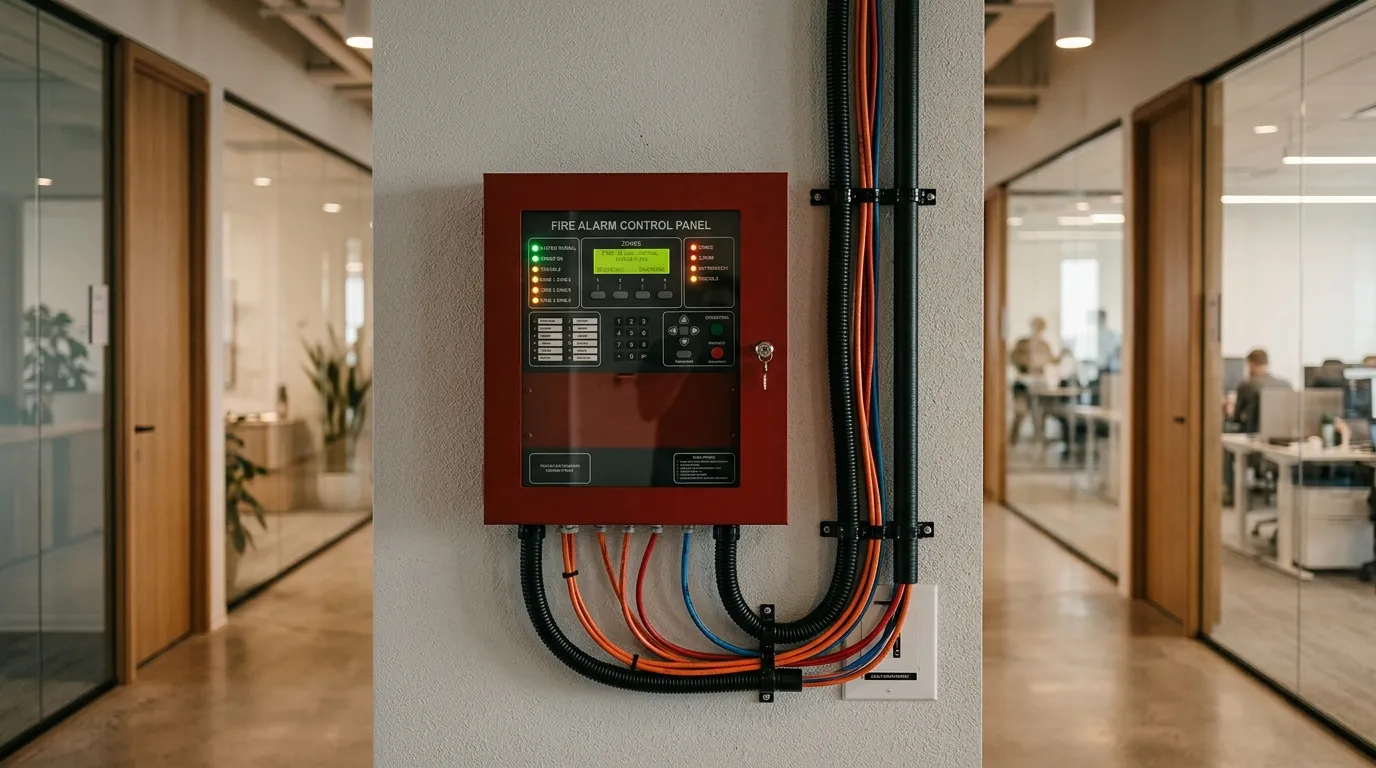
- Handover and training — We walk your team through the control panel operation, including how to silence false alarms, identify faults, and perform weekly tests.
Ongoing Maintenance and Compliance
Installing a fire alarm is not a one-off job. BS 5839-1 requires regular inspection and servicing to ensure the system remains operational and compliant:
- Weekly — Test one call point or detector to confirm the system activates correctly. This should be done by your building's responsible person.
- Quarterly — A qualified engineer inspects 25% of the system's devices, checks battery condition, tests the control panel, and verifies all zones are functioning.
- Annually — Full system inspection covering 100% of devices, cable integrity, sounder audibility, and battery replacement if needed. A maintenance certificate is issued.
We offer maintenance contracts that cover all quarterly and annual visits, with 24/7 emergency call-out included. A maintained system is a compliant system — and it's the first thing an insurer or fire officer will ask to see after an incident.
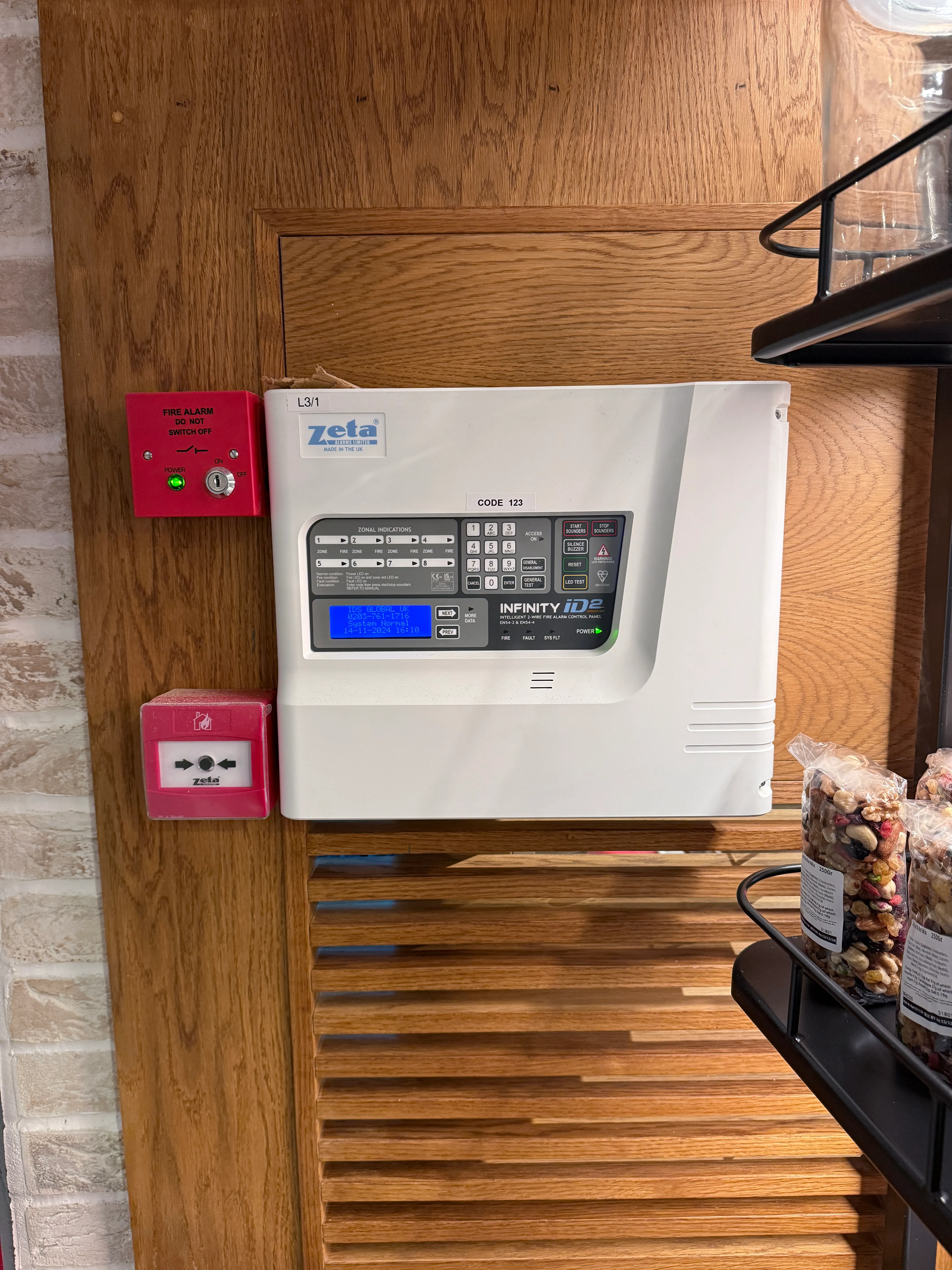
Recent projects
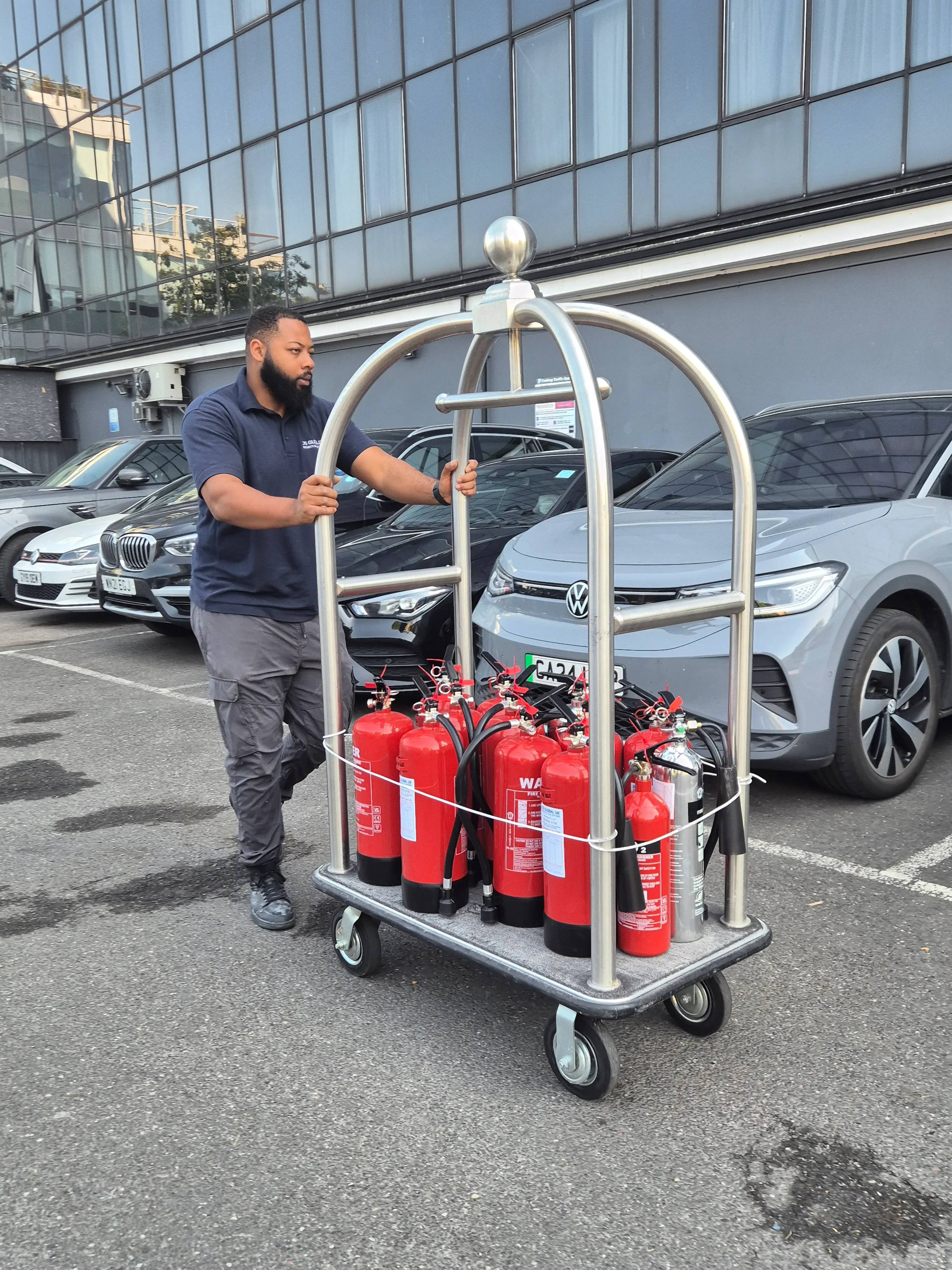
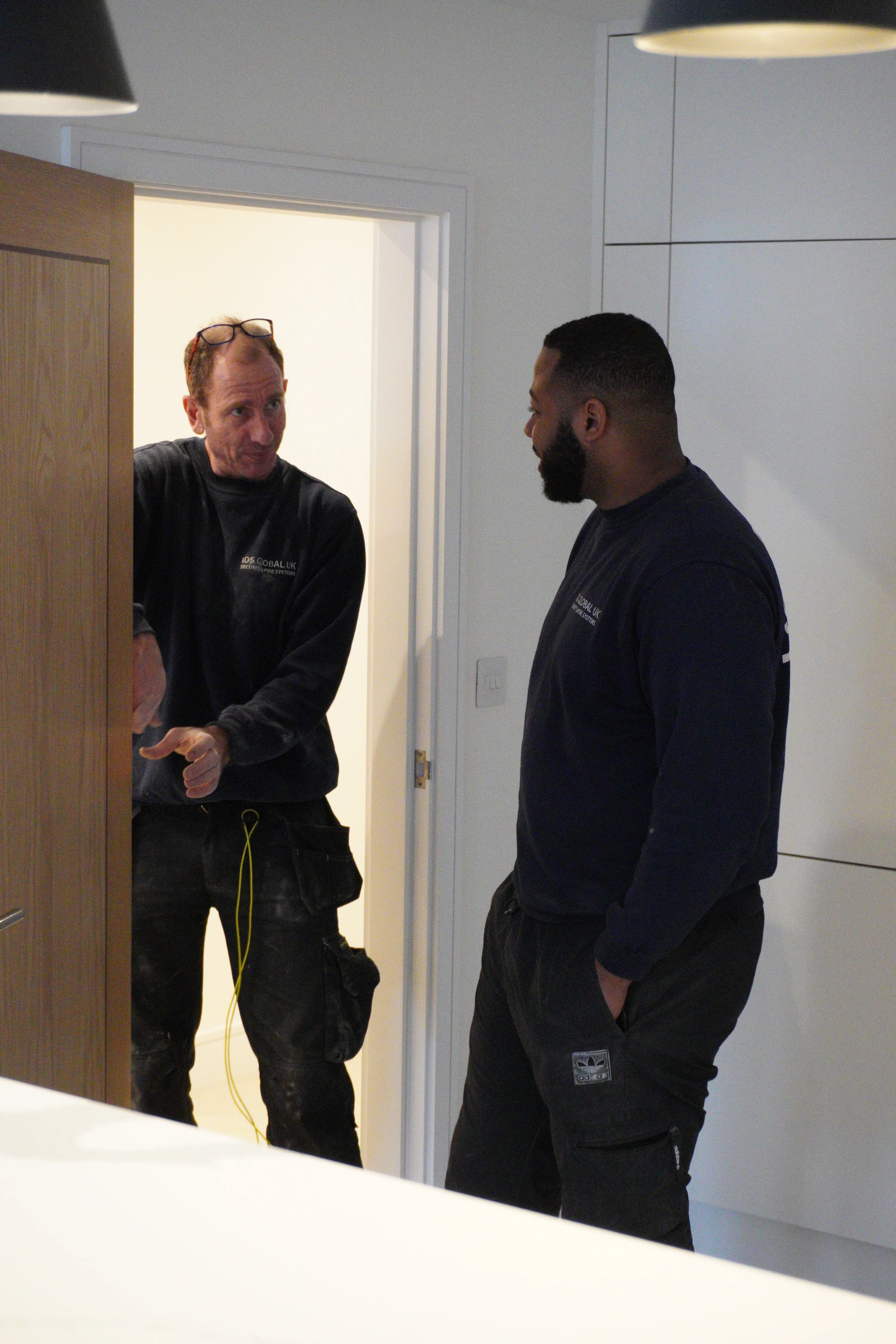
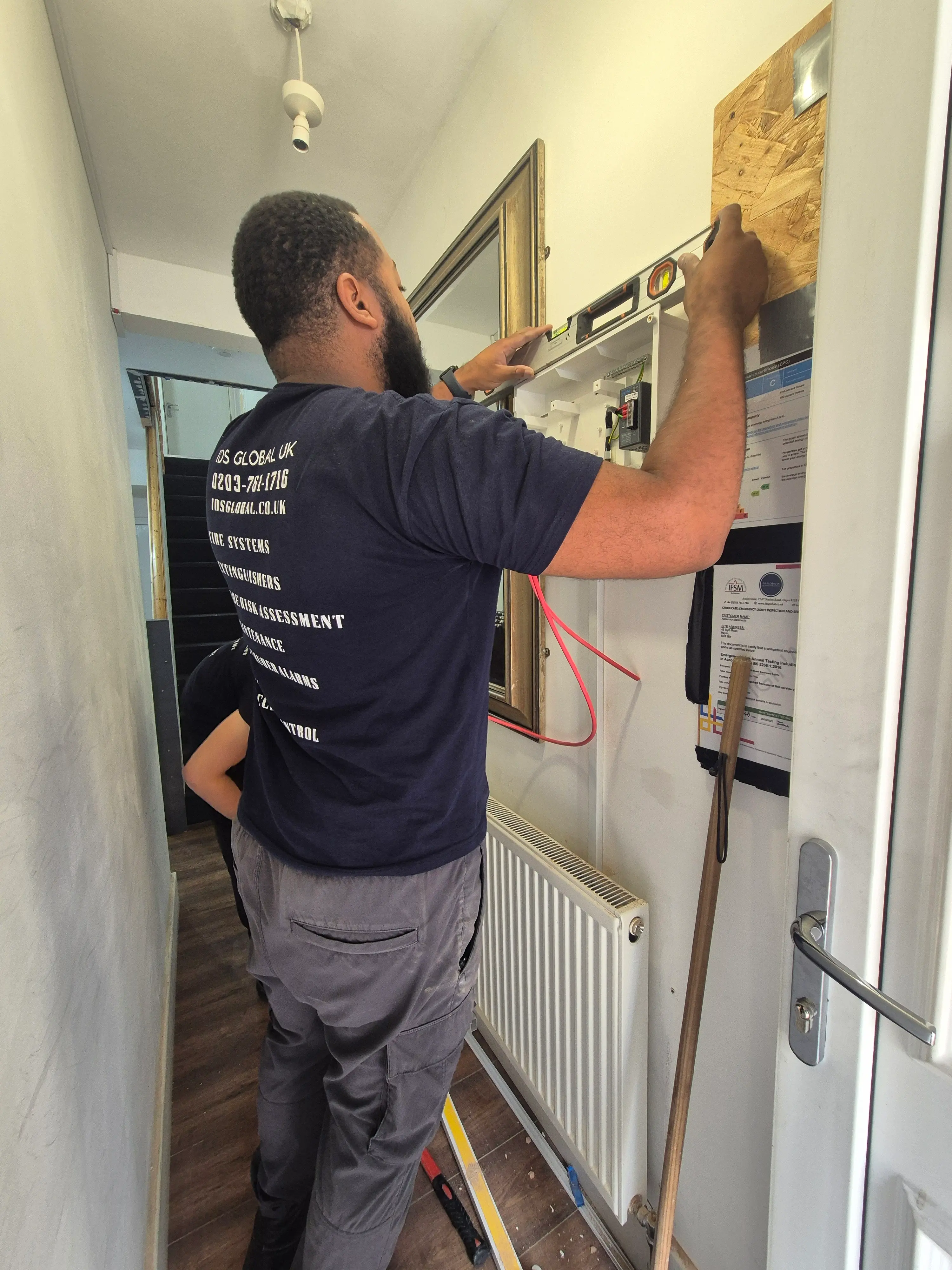
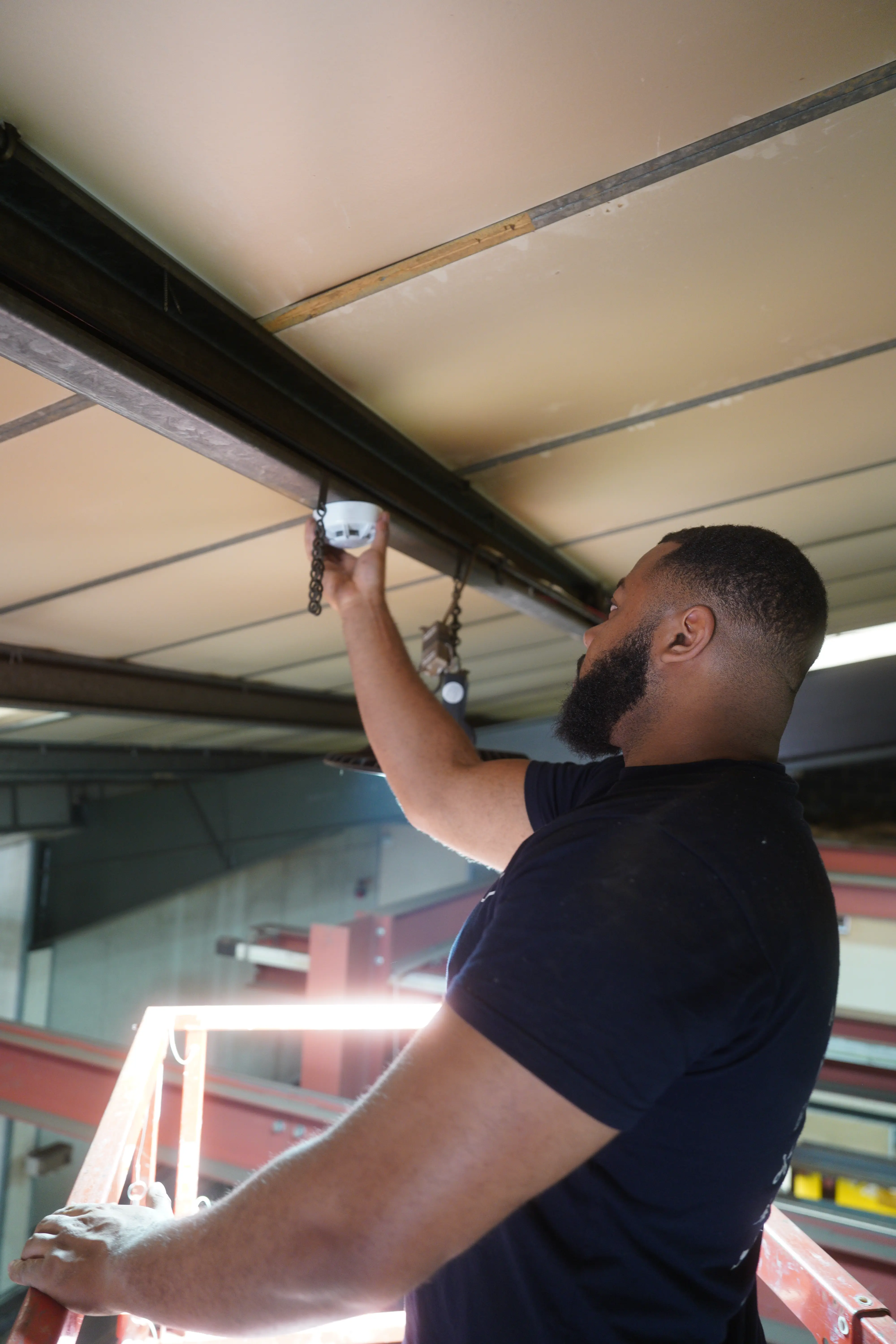
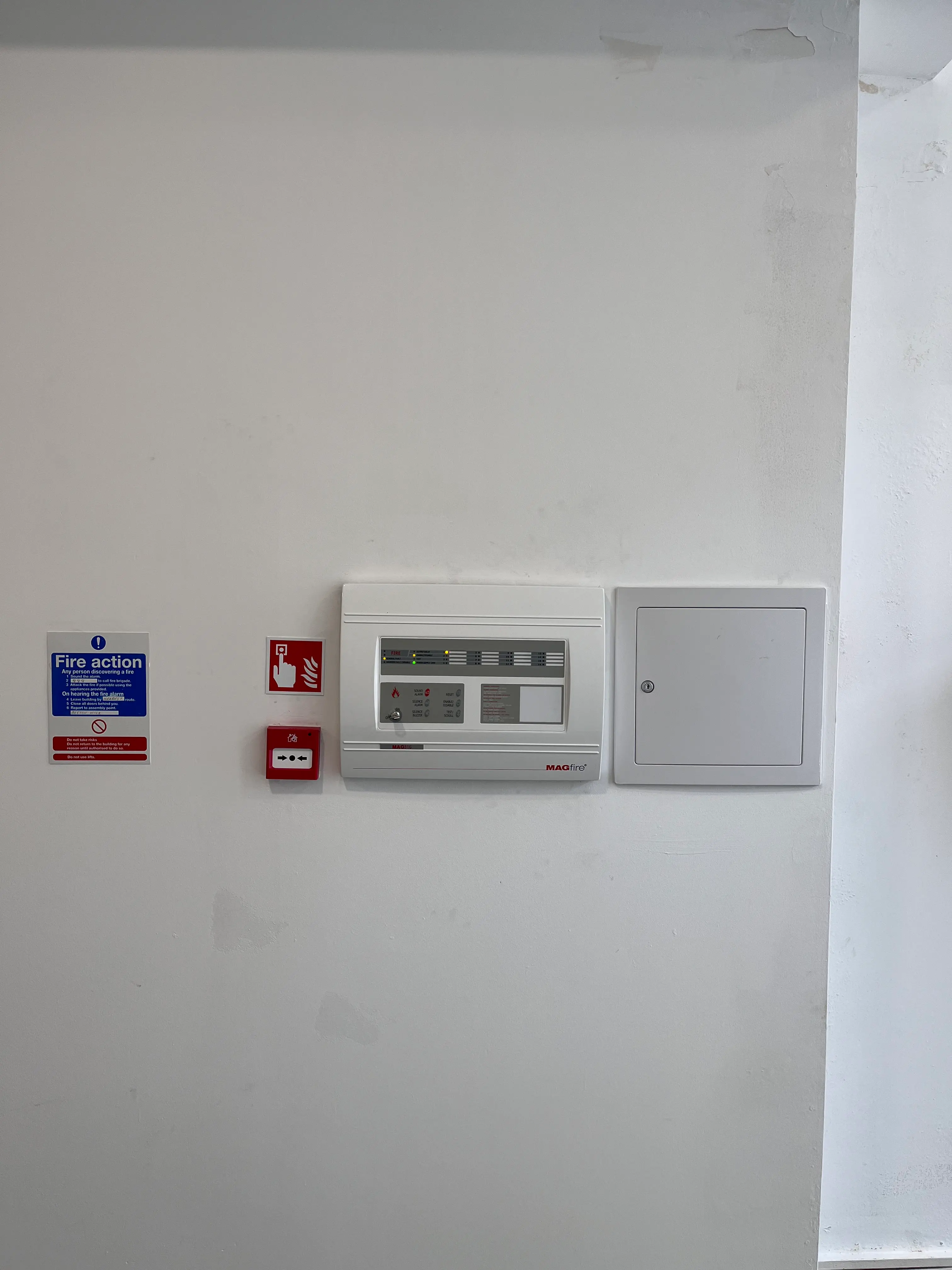
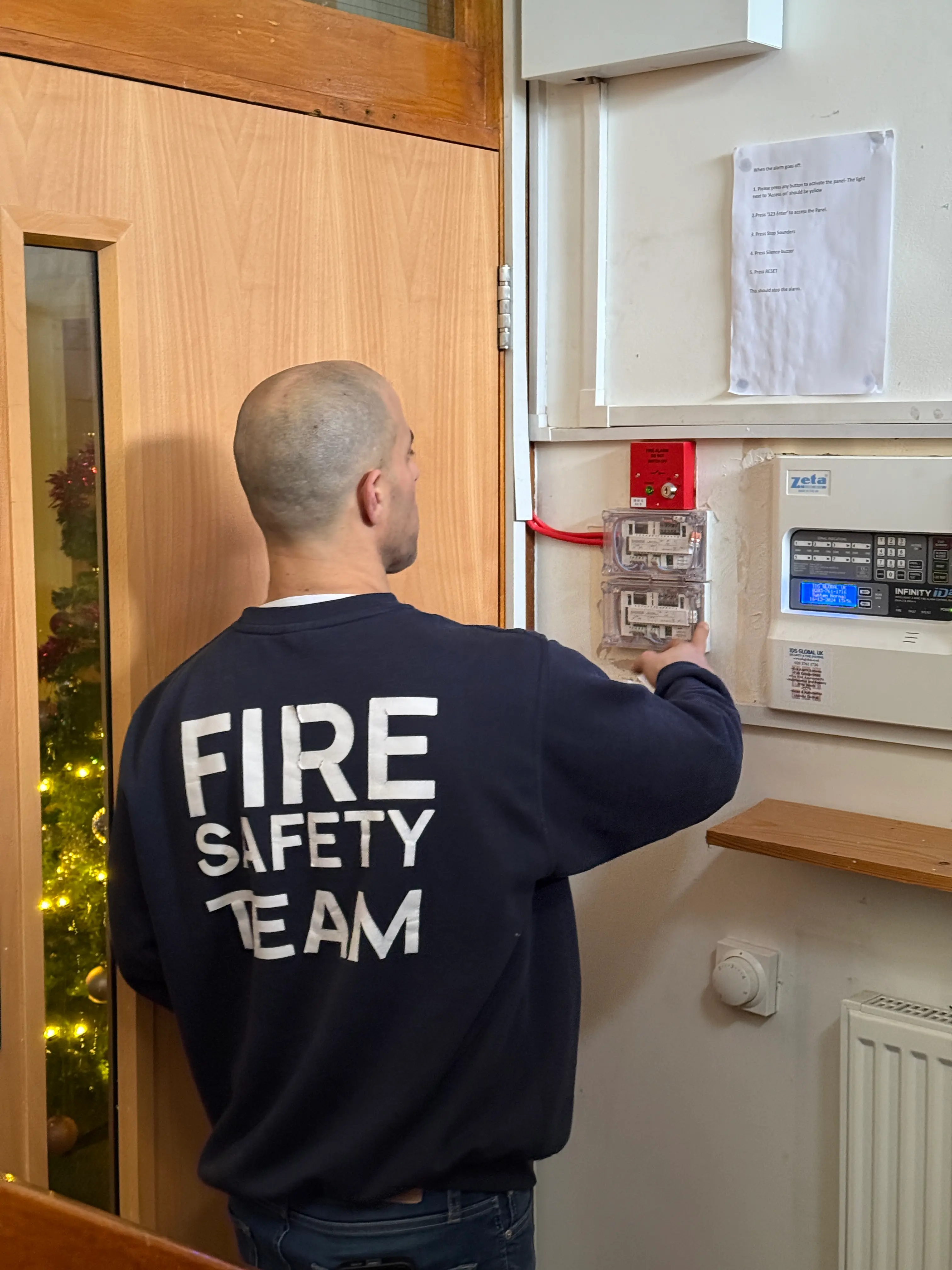
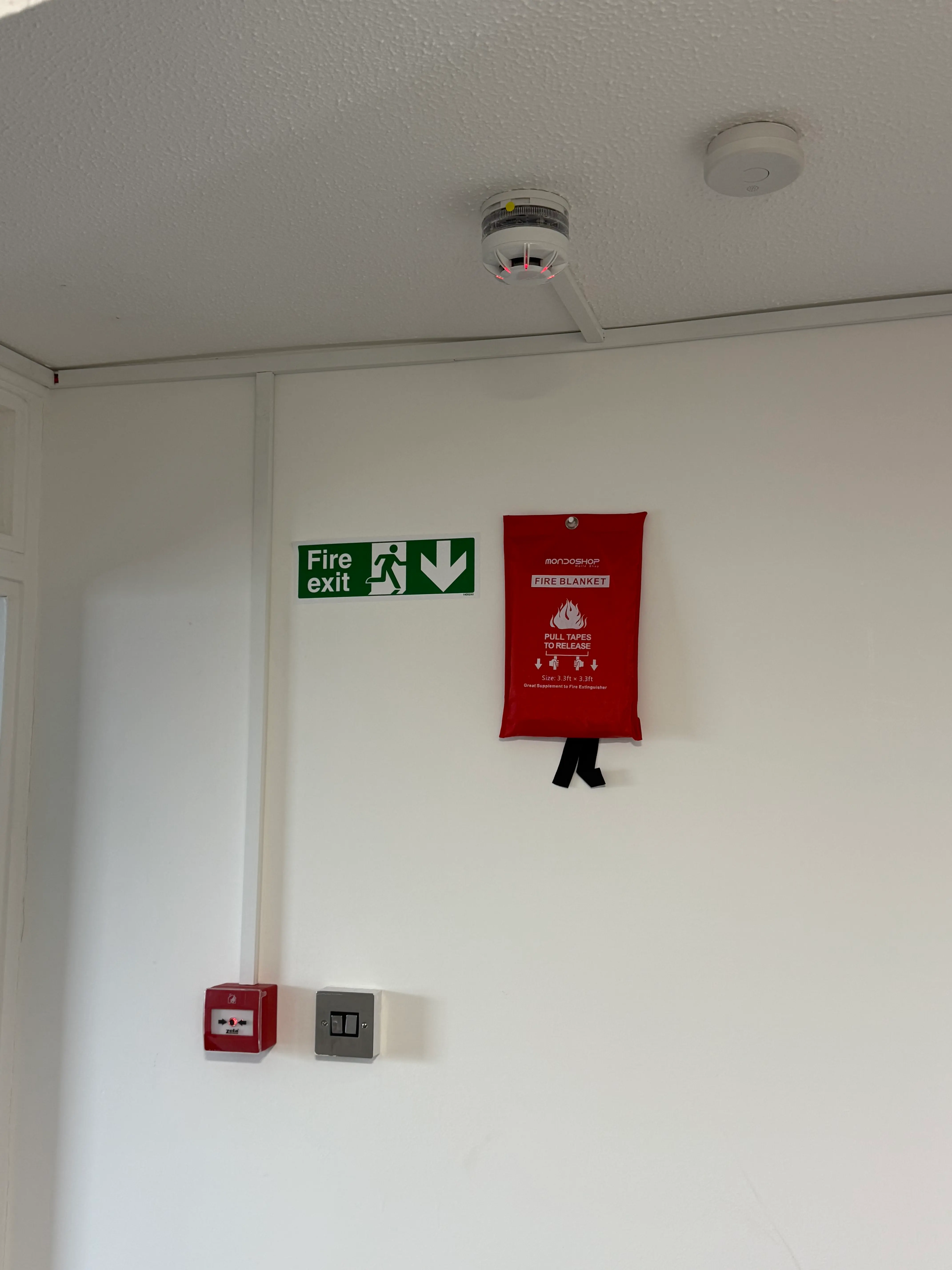
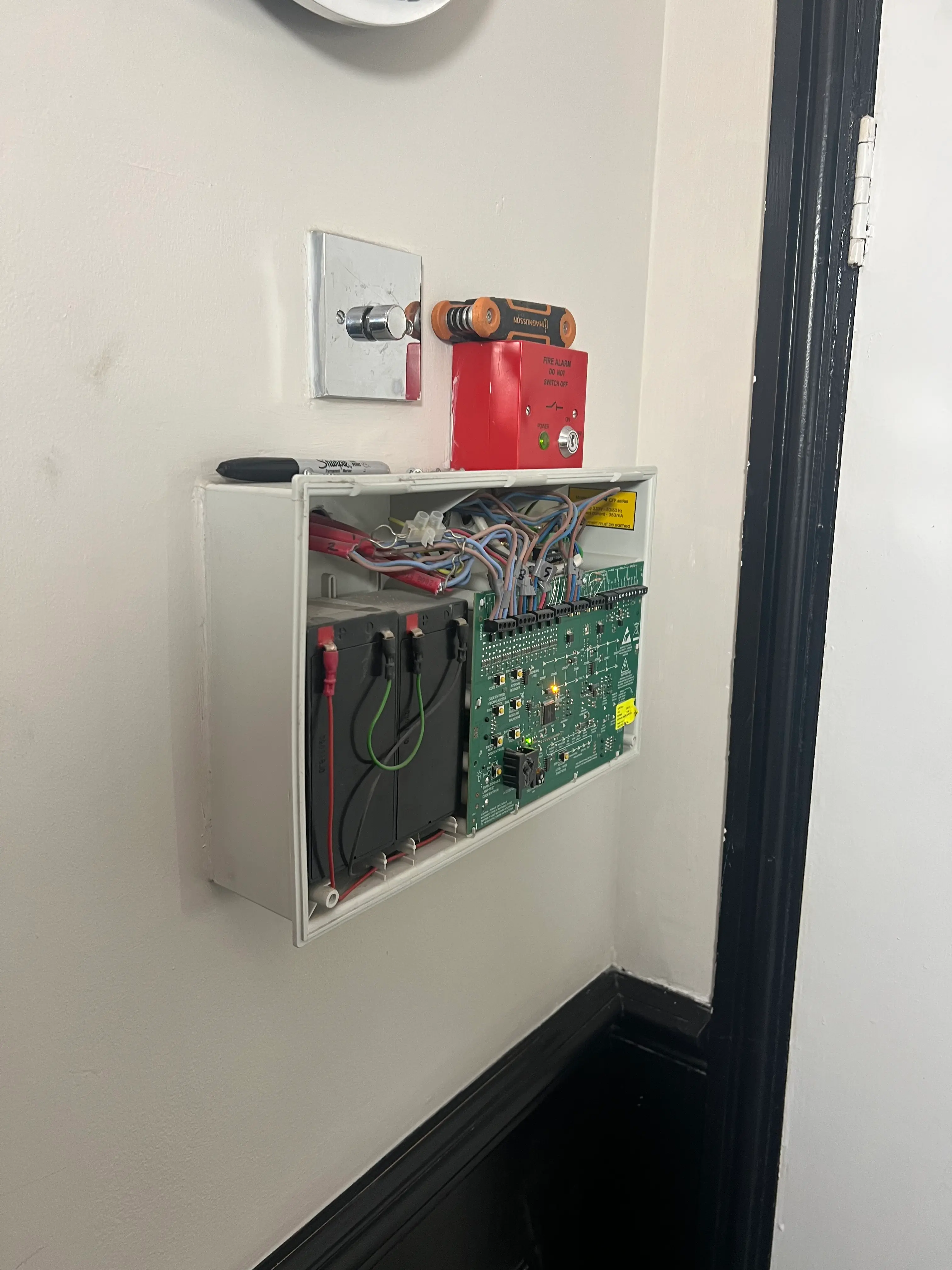
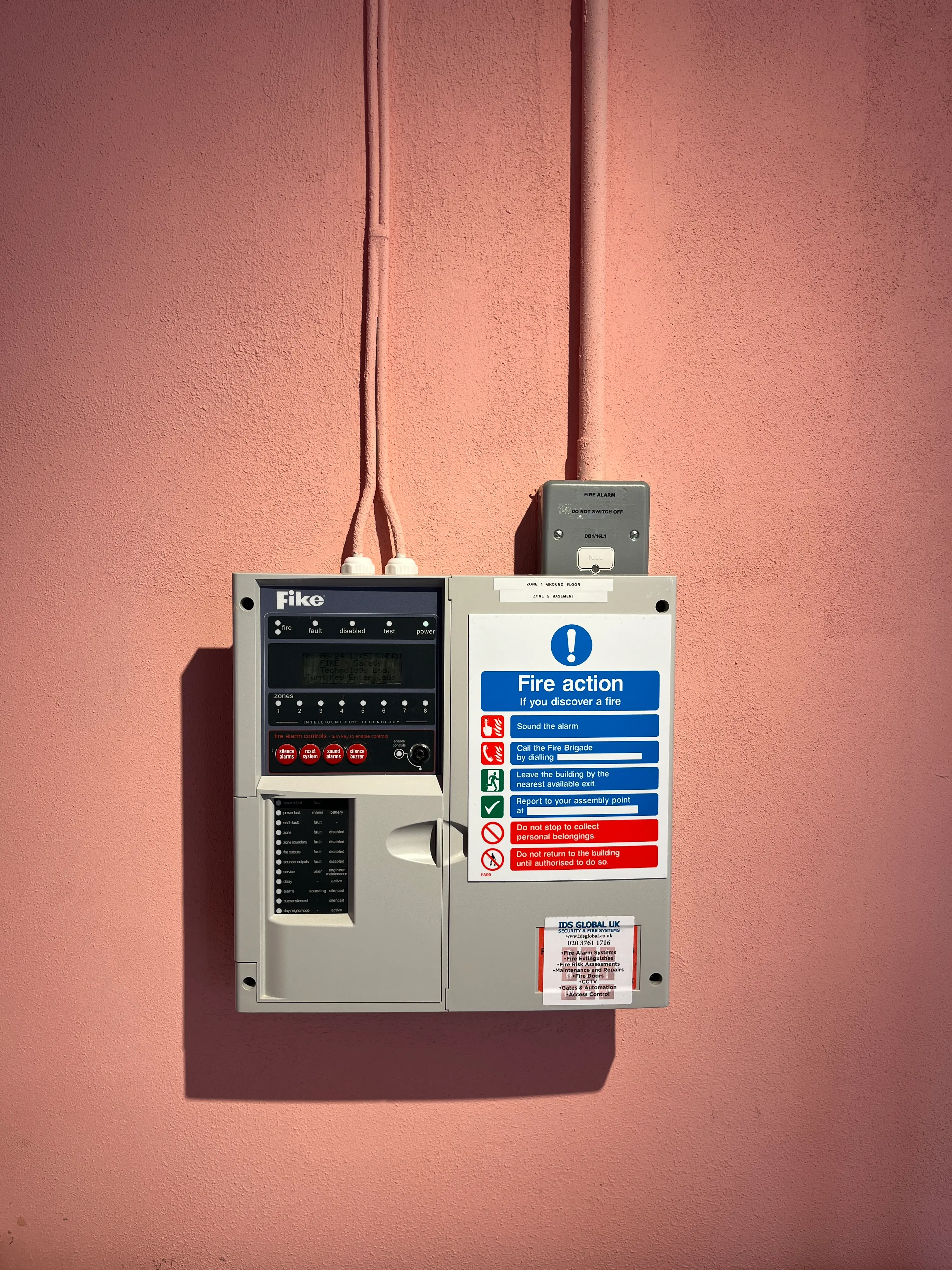
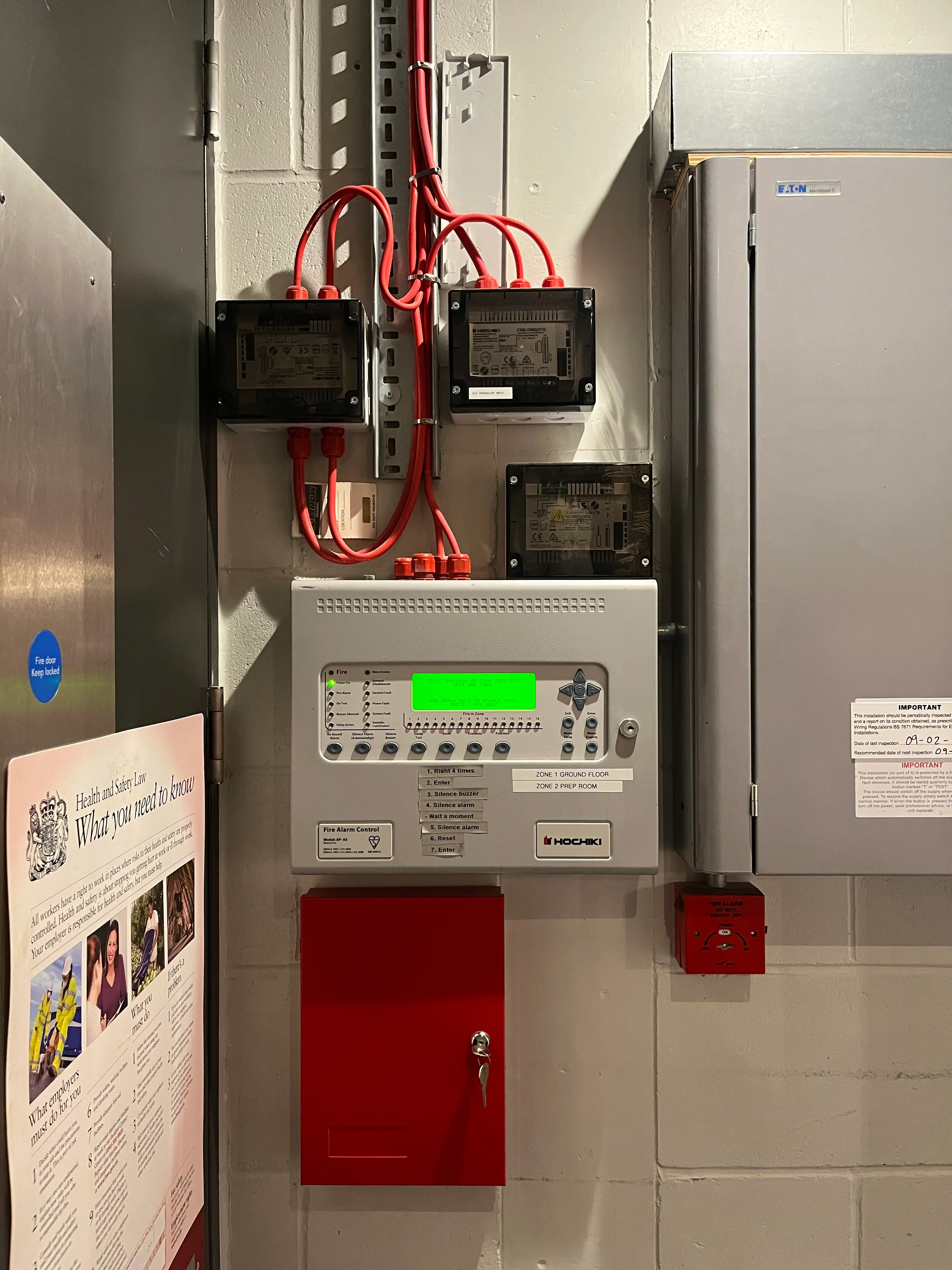
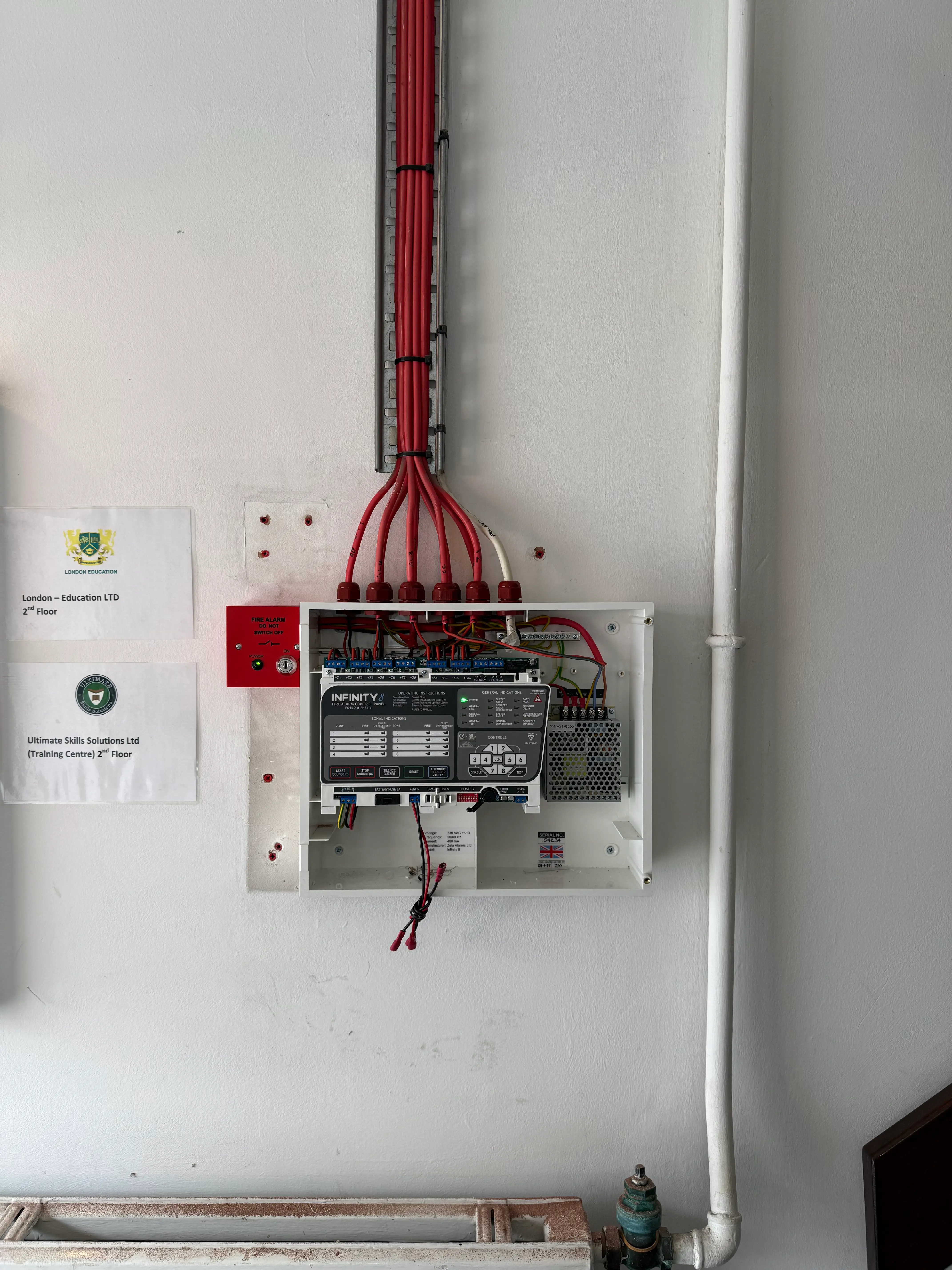
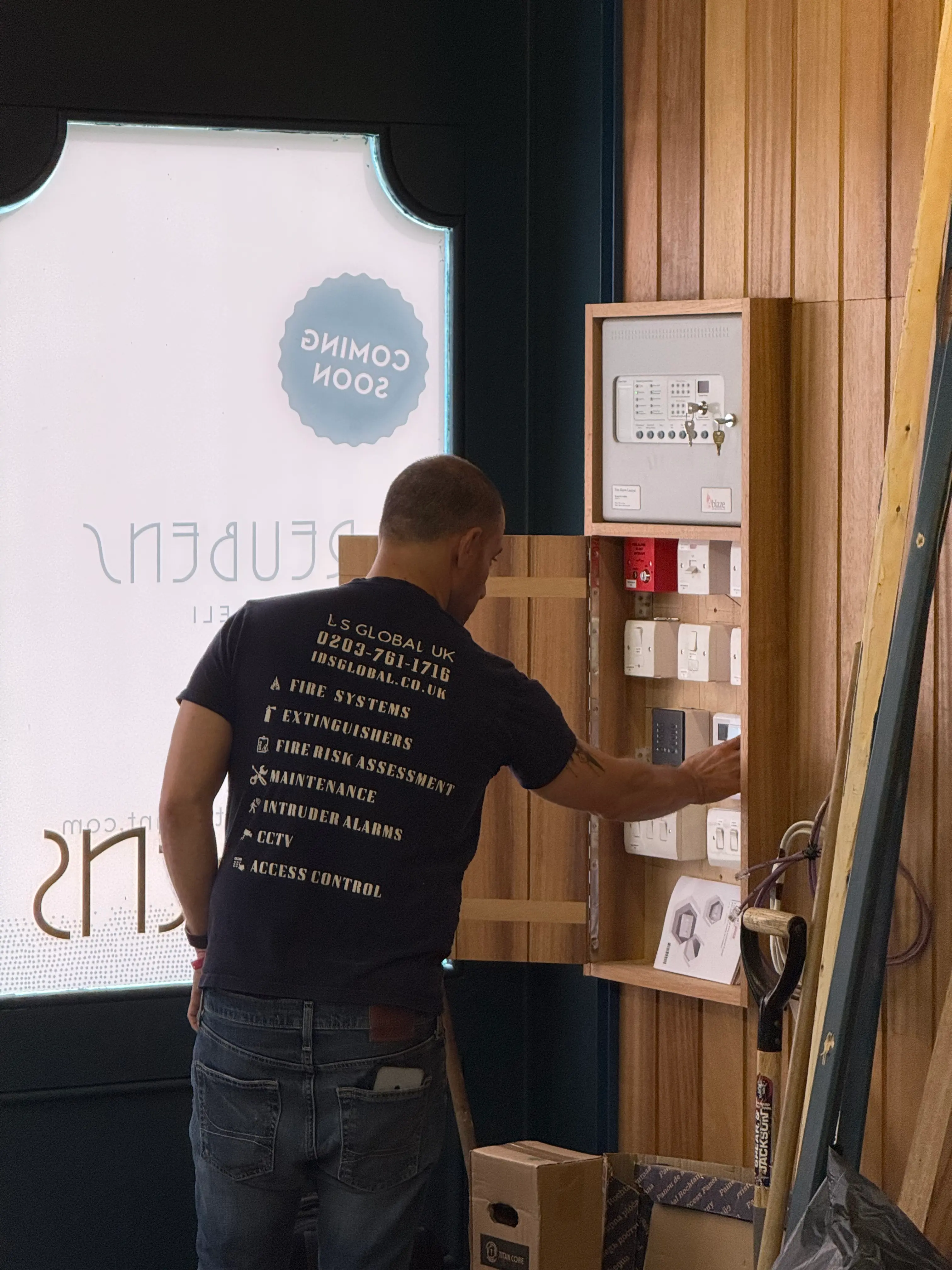
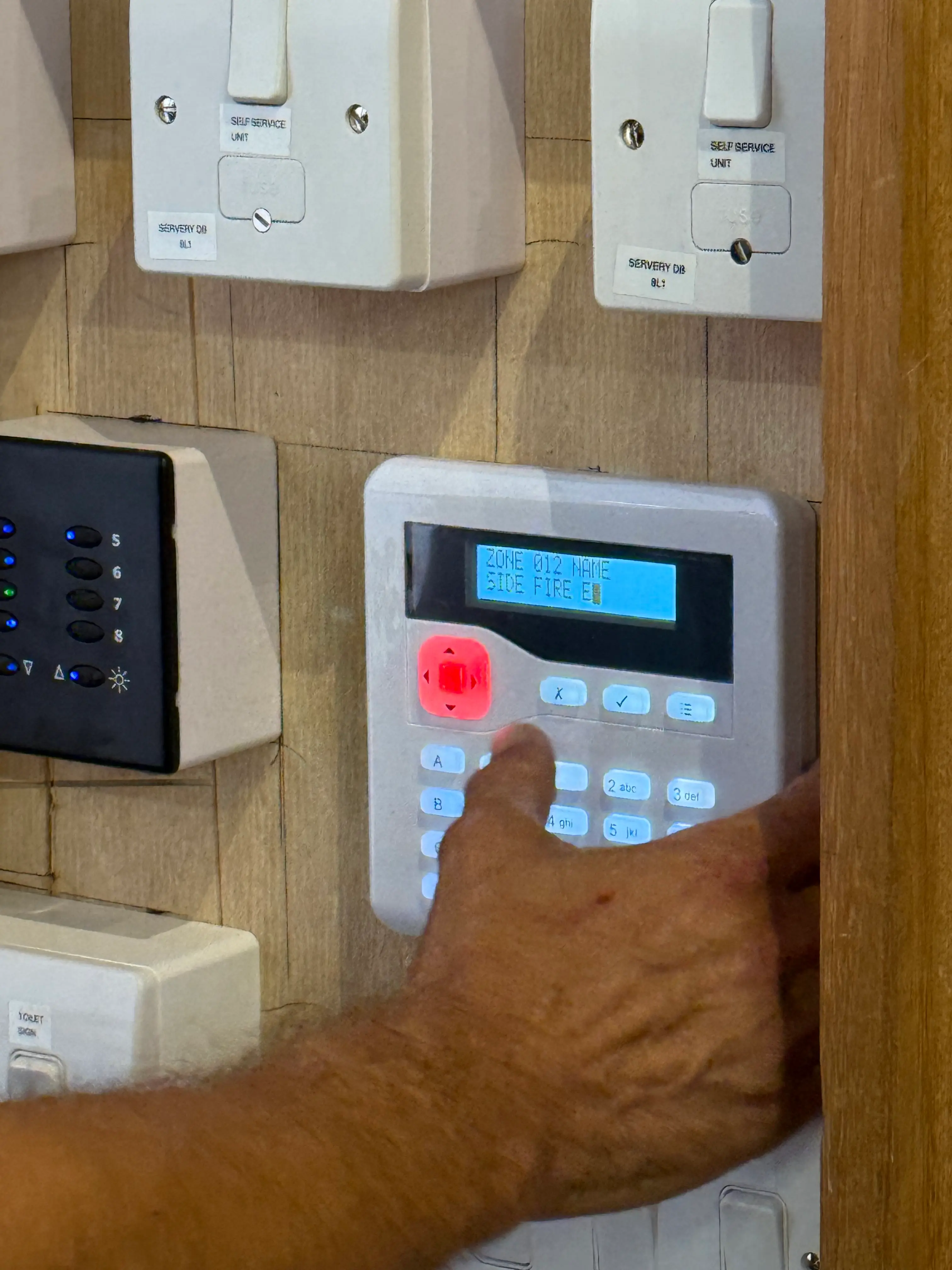
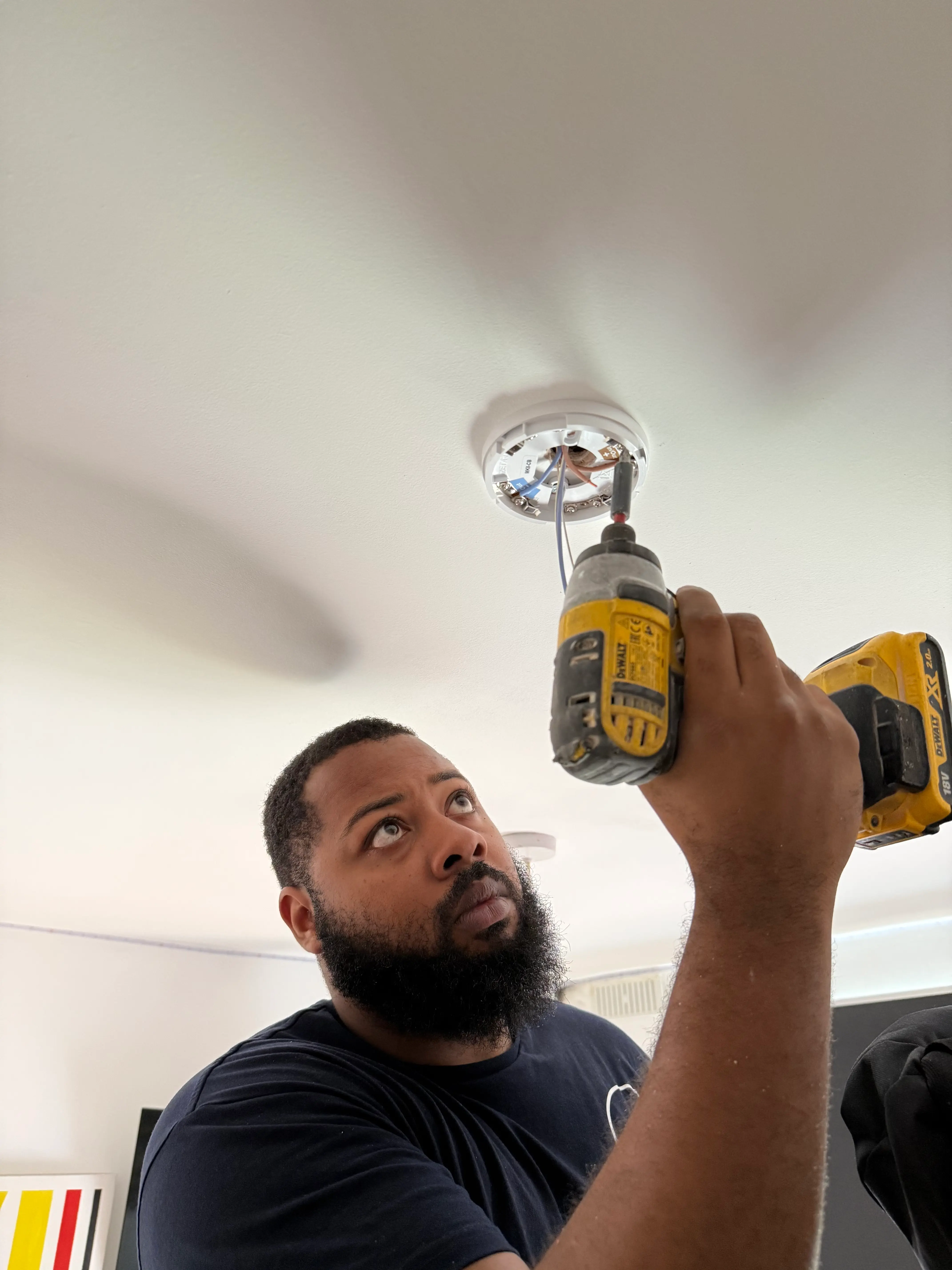
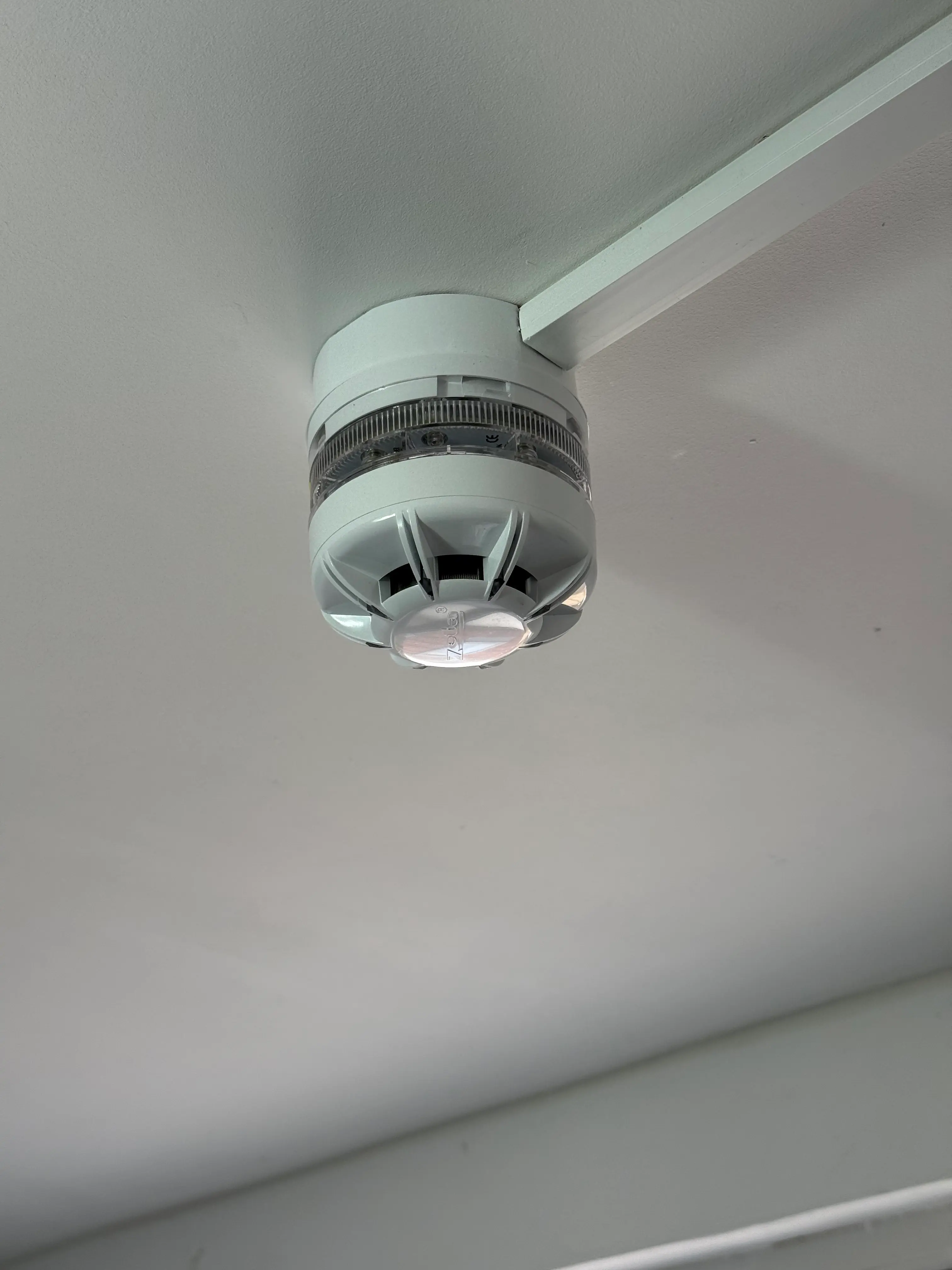
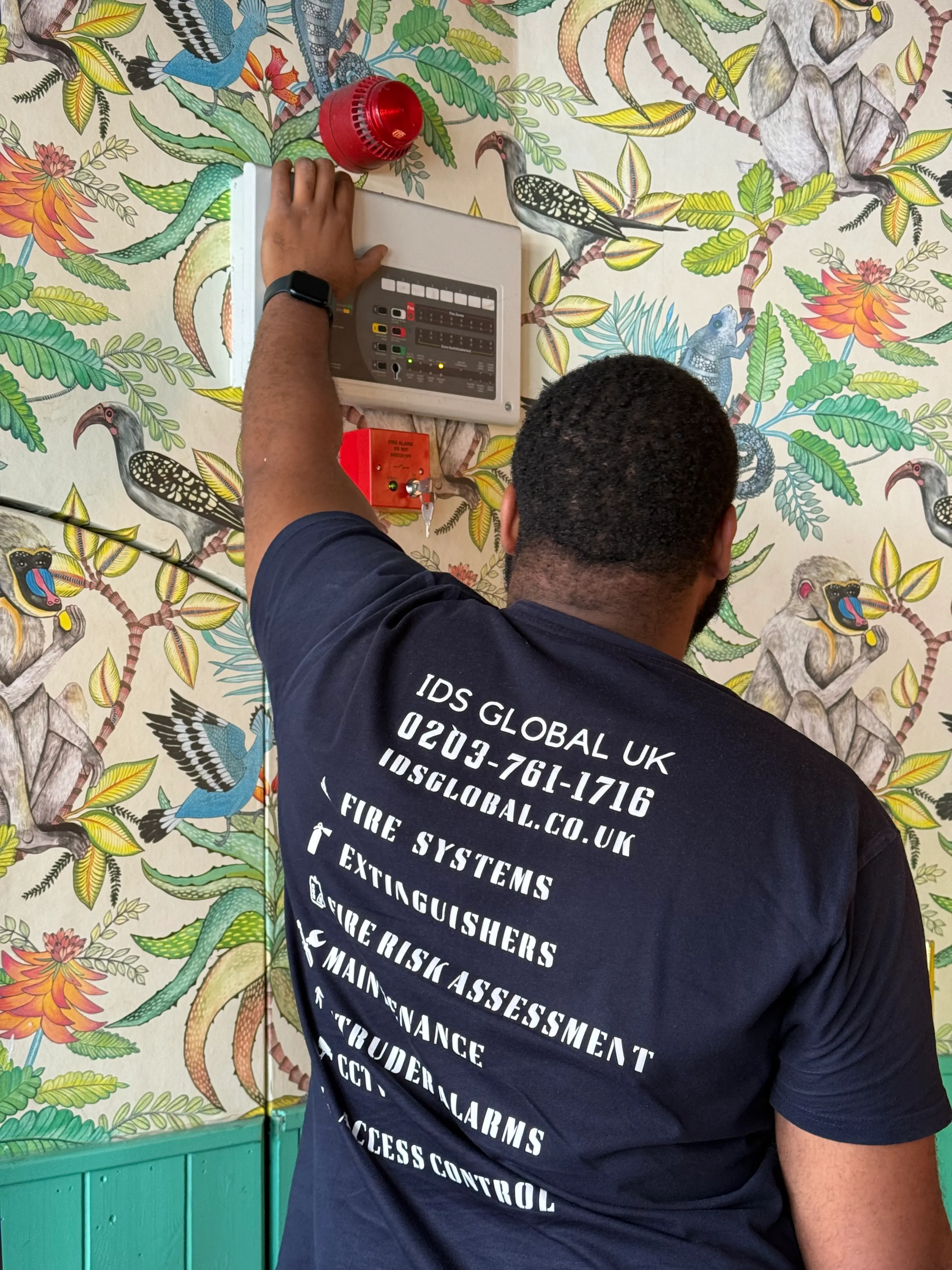
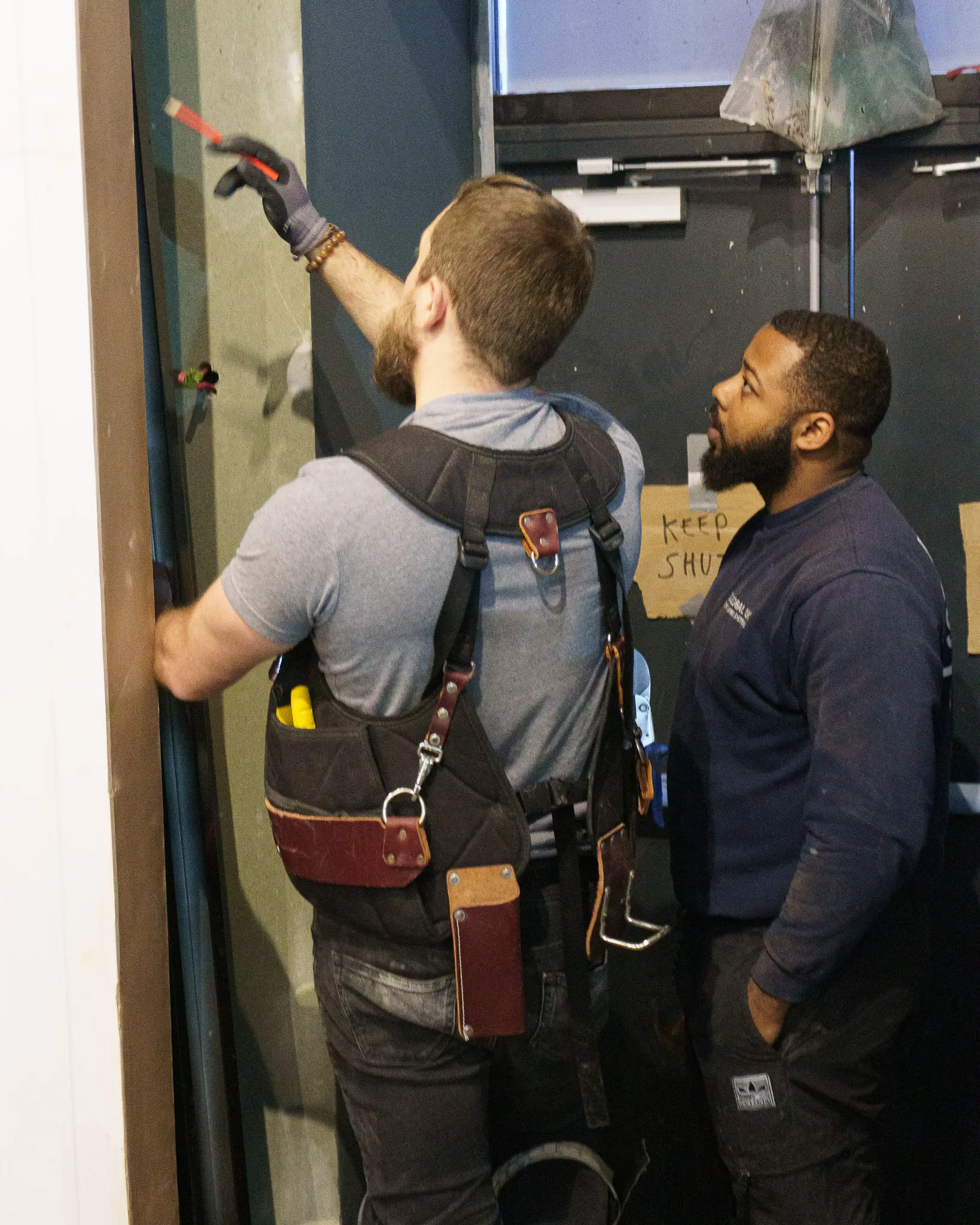
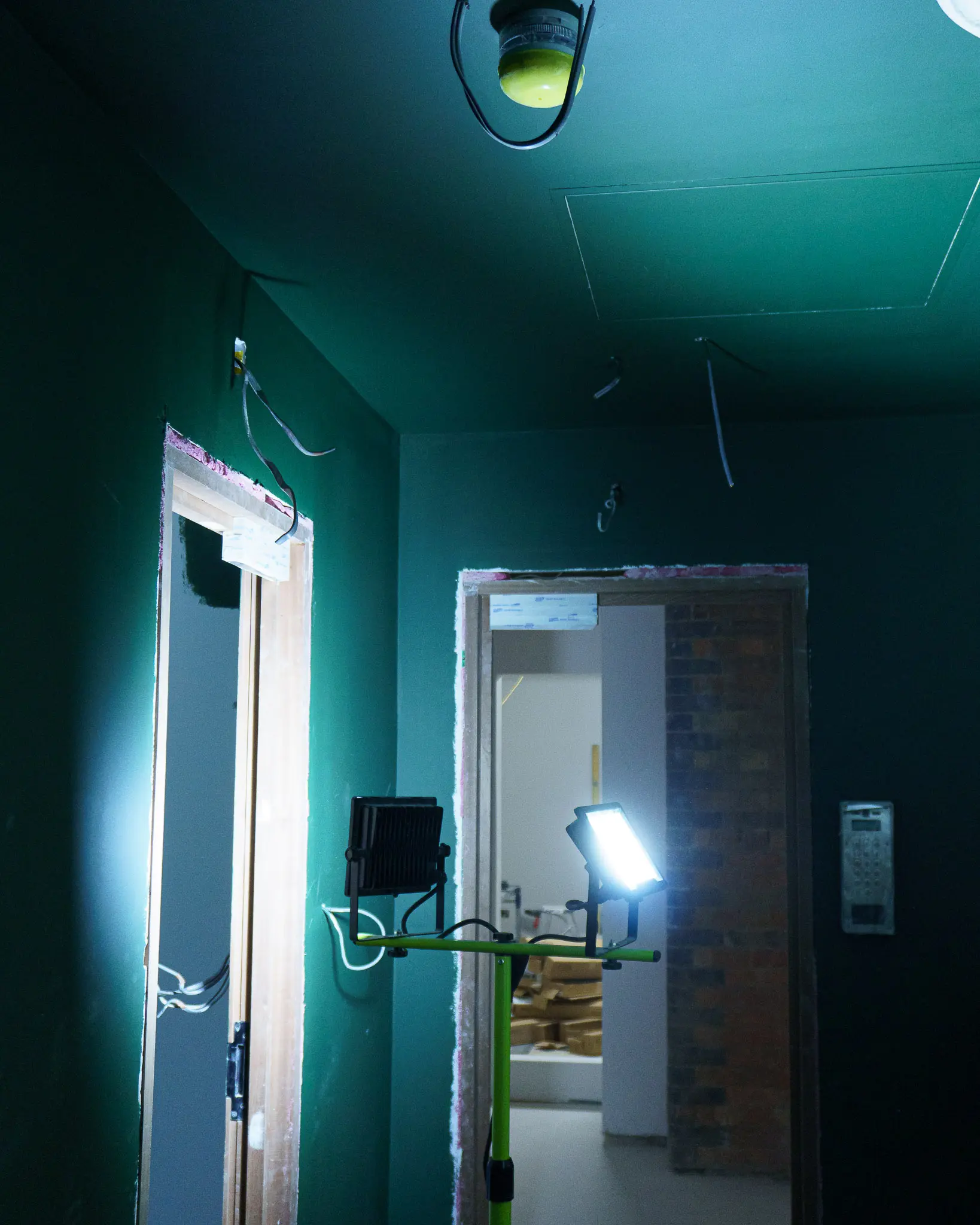
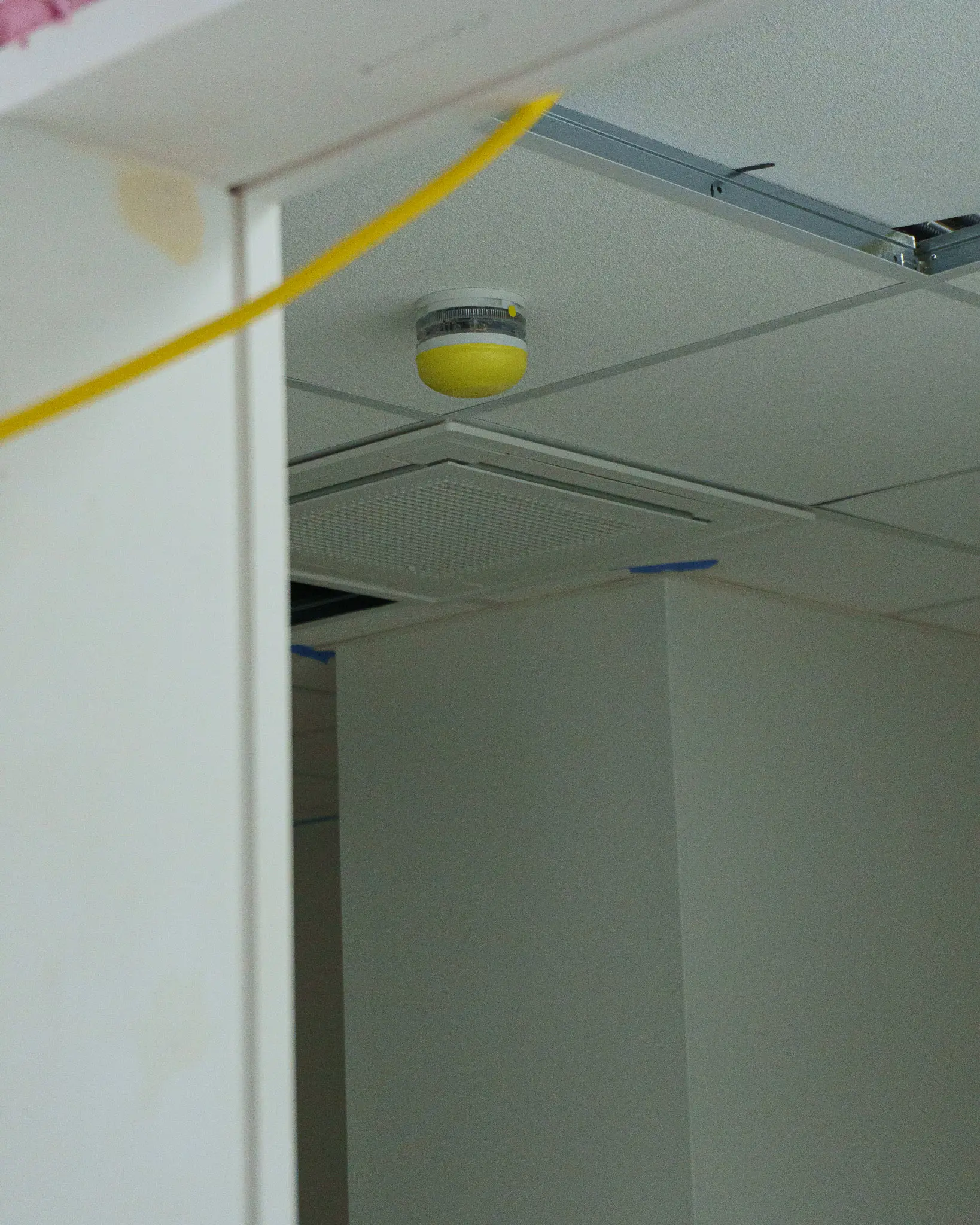
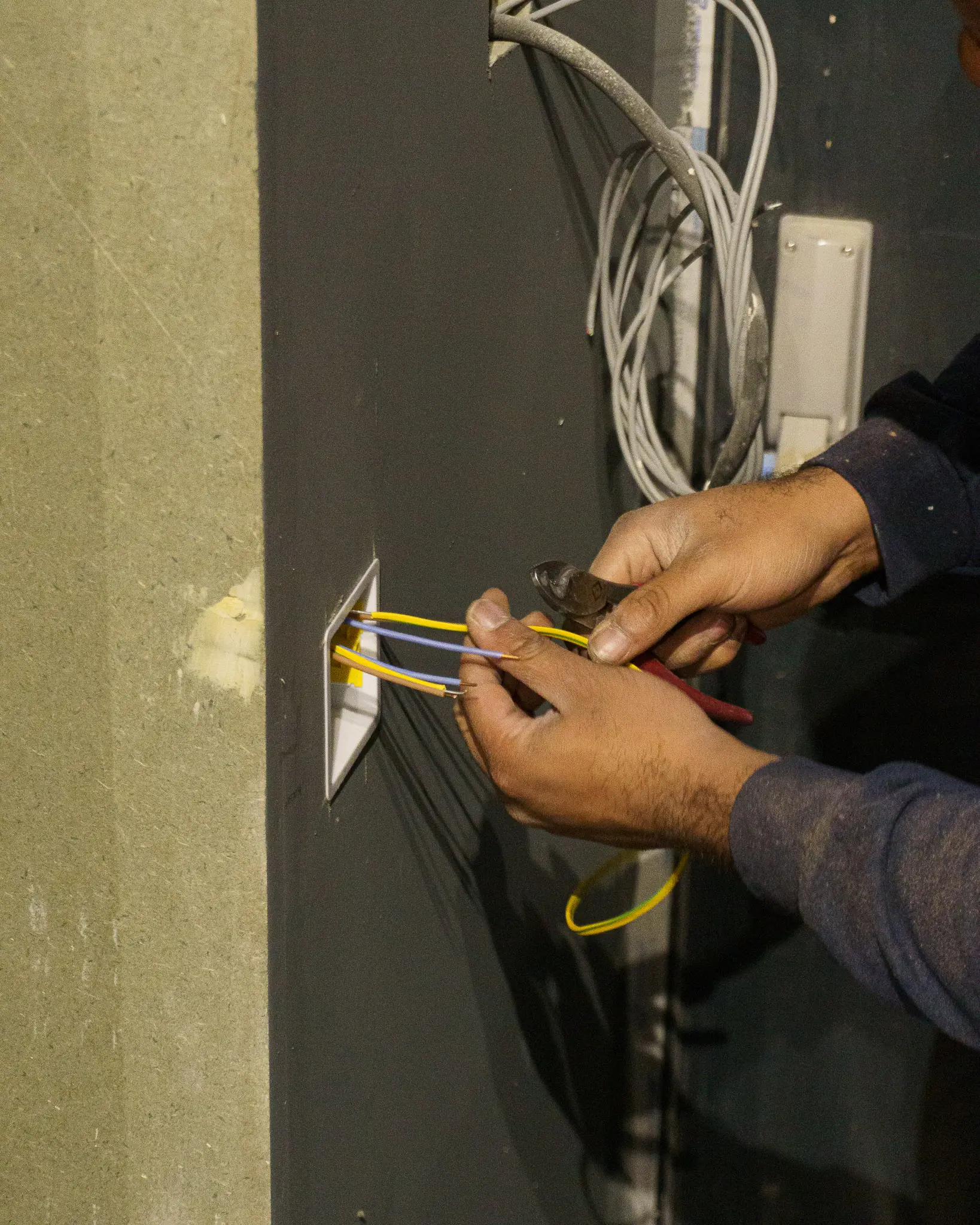
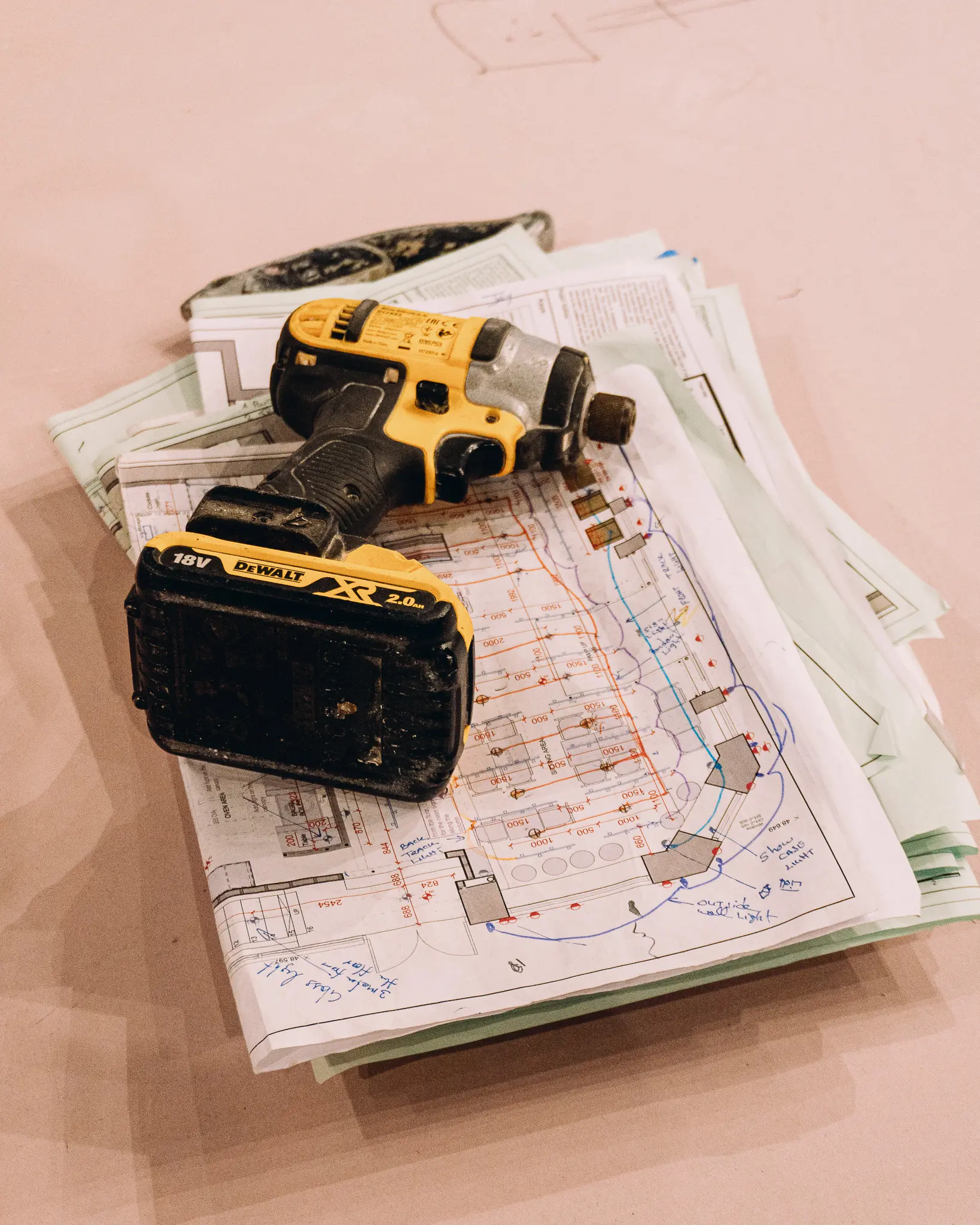
A selection of installations and ongoing maintenance work carried out by our engineers.
Frequently Asked Questions
Who needs a commercial fire alarm system?
Any non-domestic premises in England and Wales is required to have an appropriate fire detection and warning system under the Regulatory Reform (Fire Safety) Order 2005. This includes offices, shops, warehouses, HMOs, factories, and public buildings. The specific type of system depends on your fire risk assessment.
How often do fire alarms need to be serviced?
BS 5839-1 requires weekly testing (by the responsible person), quarterly inspections by a competent engineer, and a full annual service covering all devices. Failure to maintain your system can invalidate your insurance and result in enforcement action from the fire authority.
What is the difference between L1 and L2 fire alarm categories?
An L1 system provides full building coverage with detectors in every area, including voids and cupboards. An L2 system protects escape routes plus rooms that present a higher fire risk. L1 is typically required for HMOs and high-risk buildings, while L2 is common in standard commercial premises.
Can you upgrade an existing fire alarm system?
Yes. We regularly upgrade older conventional systems to modern addressable technology, extend existing systems to cover new areas, and replace end-of-life panels and devices. We assess your current system and recommend the most cost-effective approach.
Do you provide fire alarm monitoring?
Yes. We can connect your fire alarm to a 24/7 monitoring centre that receives signals when the alarm activates. The centre contacts the fire service on your behalf, which is particularly important for unoccupied buildings or premises with overnight operations.