Intruder Alarms
Wired and wireless intruder alarm systems with monitoring centre connectivity and police response.
How does a commercial intruder alarm protect your business?
An intruder alarm system detects unauthorised entry to your premises and triggers a response — whether that is a local siren to deter the intruder, an alert to a monitoring centre, or a direct notification to you and the police.
For commercial premises, an intruder alarm is often a requirement of your insurance policy. Beyond compliance, it is a practical deterrent: visible alarm equipment signals to potential intruders that the premises are protected, making them less likely to attempt a break-in.
Types of Intruder Alarm System
We install both wired and wireless systems, choosing the right approach based on your building, budget, and operational requirements:
- Wired systems — Cables connect every detector and device back to the control panel. Extremely reliable, tamper-resistant, and suitable for new installations where cabling can be routed during fit-out. The preferred choice for larger commercial premises.
- Wireless systems — Detectors communicate with the control panel via encrypted radio signals. Faster to install, less disruptive, and ideal for listed buildings, temporary sites, or premises where running cables is impractical.
- Hybrid systems — Combine wired and wireless components. Useful for buildings where some areas are easy to cable and others are not, or when expanding an existing wired system to cover a new area.
Detection Devices
The right detectors depend on the areas you need to protect and the type of threat you are defending against:
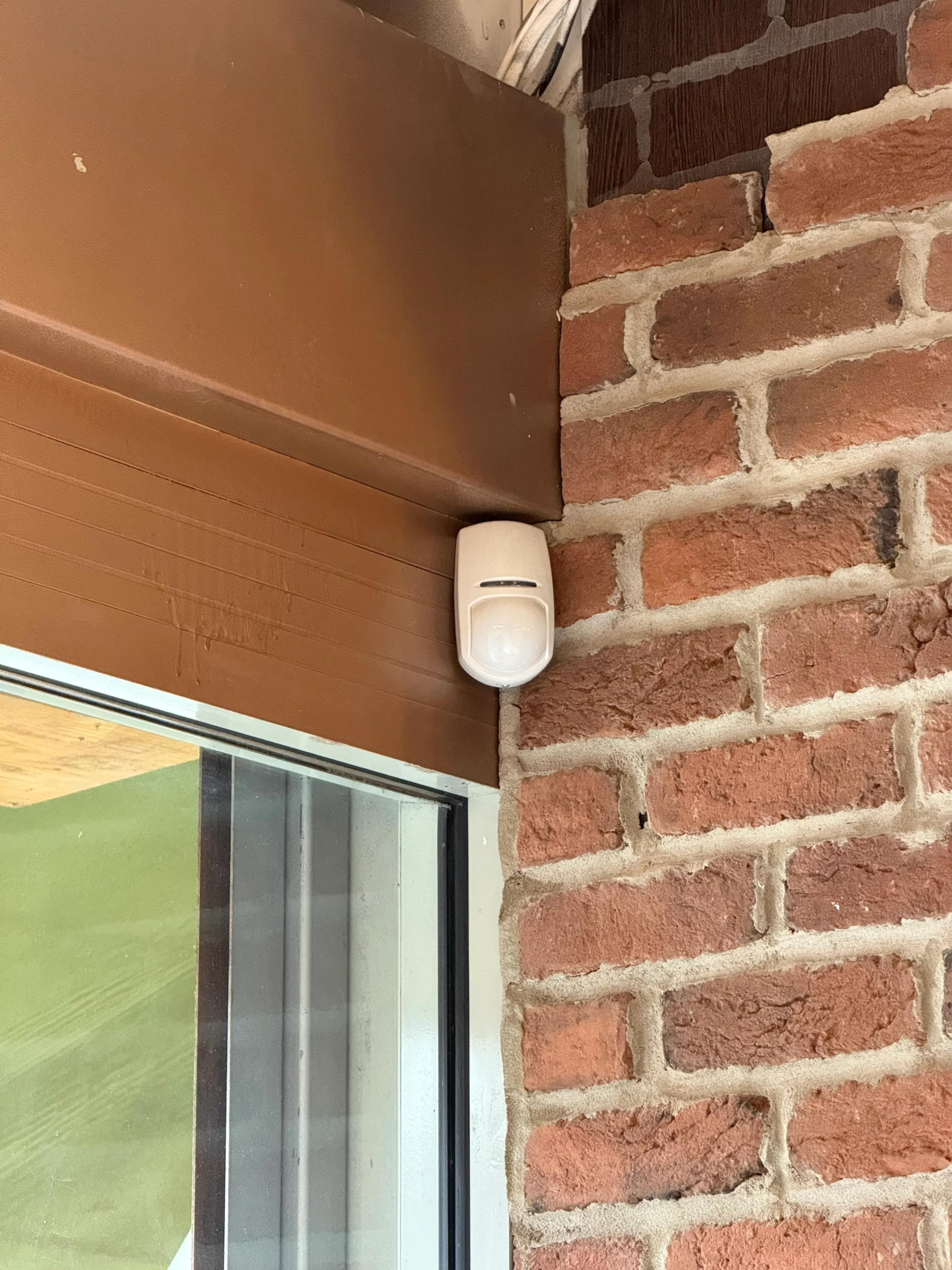
- PIR sensors (passive infrared) — Detect body heat and movement. The most common detector type, used in offices, corridors, warehouses, and retail spaces. Pet-immune versions are available for premises with animals.
- Door and window contacts — Magnetic sensors that trigger when a door or window is opened. Simple, reliable, and essential for perimeter protection.
- Vibration detectors — Sense physical impact on walls, floors, or safes. Used to detect forced entry attempts before the intruder is inside.
- Glass break detectors — Listen for the specific acoustic pattern of breaking glass. Positioned near large windows or glass doors.
- Beam detectors — Infrared beams that trigger when broken. Used across wide openings, driveways, or outdoor perimeters.
Monitoring and Response
An alarm that nobody hears is an alarm that does not work. We offer several levels of monitoring to match your security needs:
- Bells-only — The alarm sounds a local siren. No external monitoring. Relies on neighbours, passers-by, or your own attendance to respond. Suitable for lower-risk premises.
- Keyholder notification — The system sends an alert to designated keyholders (you, your staff, or a security company) via phone call, text, or app notification when triggered.
- Alarm Receiving Centre (ARC) — 24/7 professional monitoring. When the alarm activates, the ARC contacts keyholders and can dispatch a security response or notify the police. This is the level of monitoring most insurance companies require.
- Police response (URN) — For systems that meet the requirements of BS EN 50131 and are monitored by an accredited ARC, you can apply for a Unique Reference Number (URN) from the police. This entitles your premises to a confirmed police response when the alarm is verified.
Standards and Insurance
Commercial intruder alarm systems should be designed and installed to BS EN 50131 (the European standard for alarm systems) and PD 6662 (the UK application guide). Systems are graded from 1 to 4 based on the level of security required:
- Grade 1 — Low risk. Basic residential or small commercial premises.
- Grade 2 — Low to medium risk. Most commercial premises, offices, and retail units. The most common grade for business insurance compliance.
- Grade 3 — Medium to high risk. Premises with higher-value contents, cash handling, or specific insurance requirements.
- Grade 4 — High risk. Banks, jewellers, and premises requiring the highest level of security.
Your insurance company may specify a minimum grade for your alarm system. We design to the required grade and provide certification that confirms compliance, which you can pass directly to your insurer.
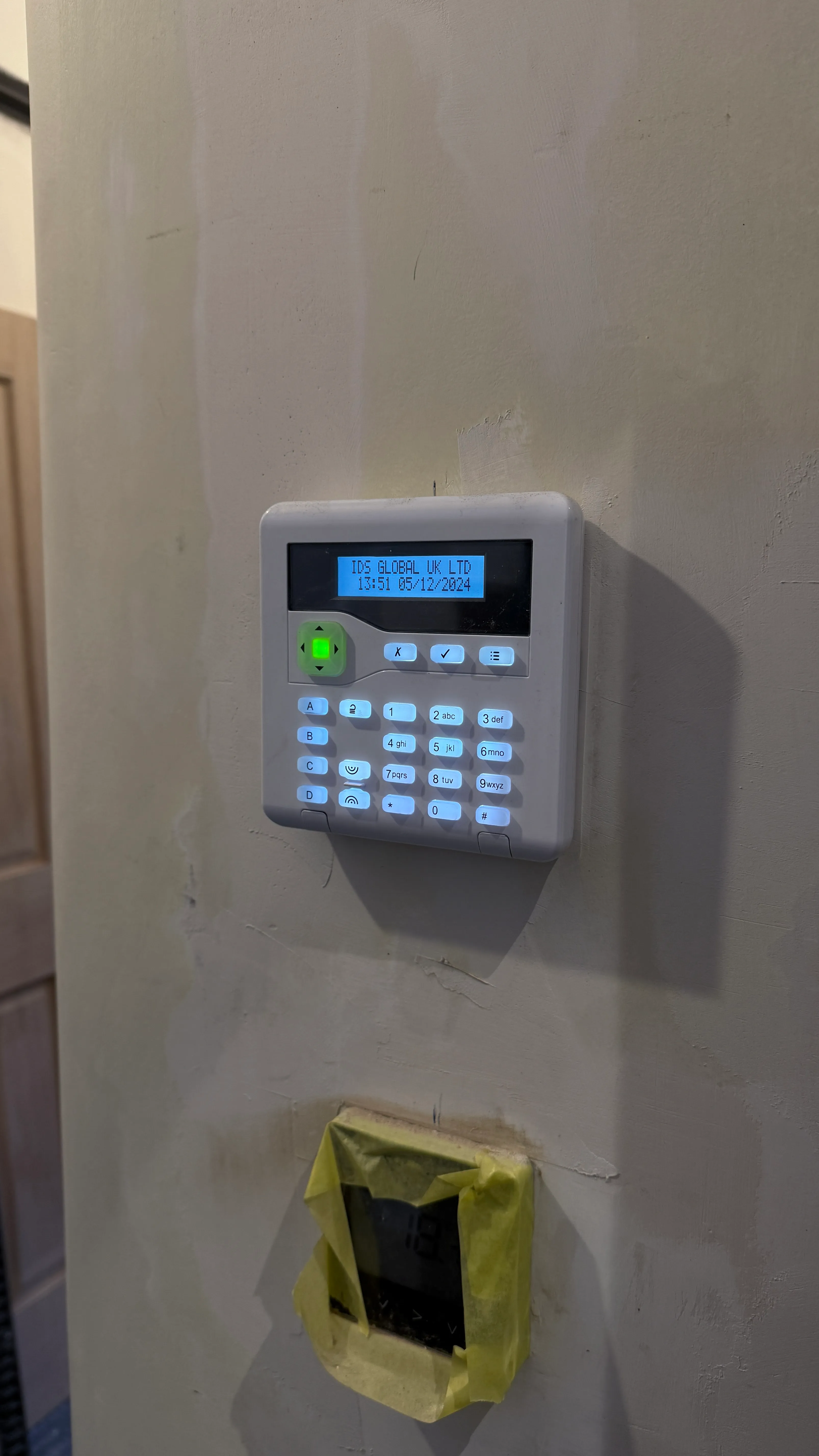
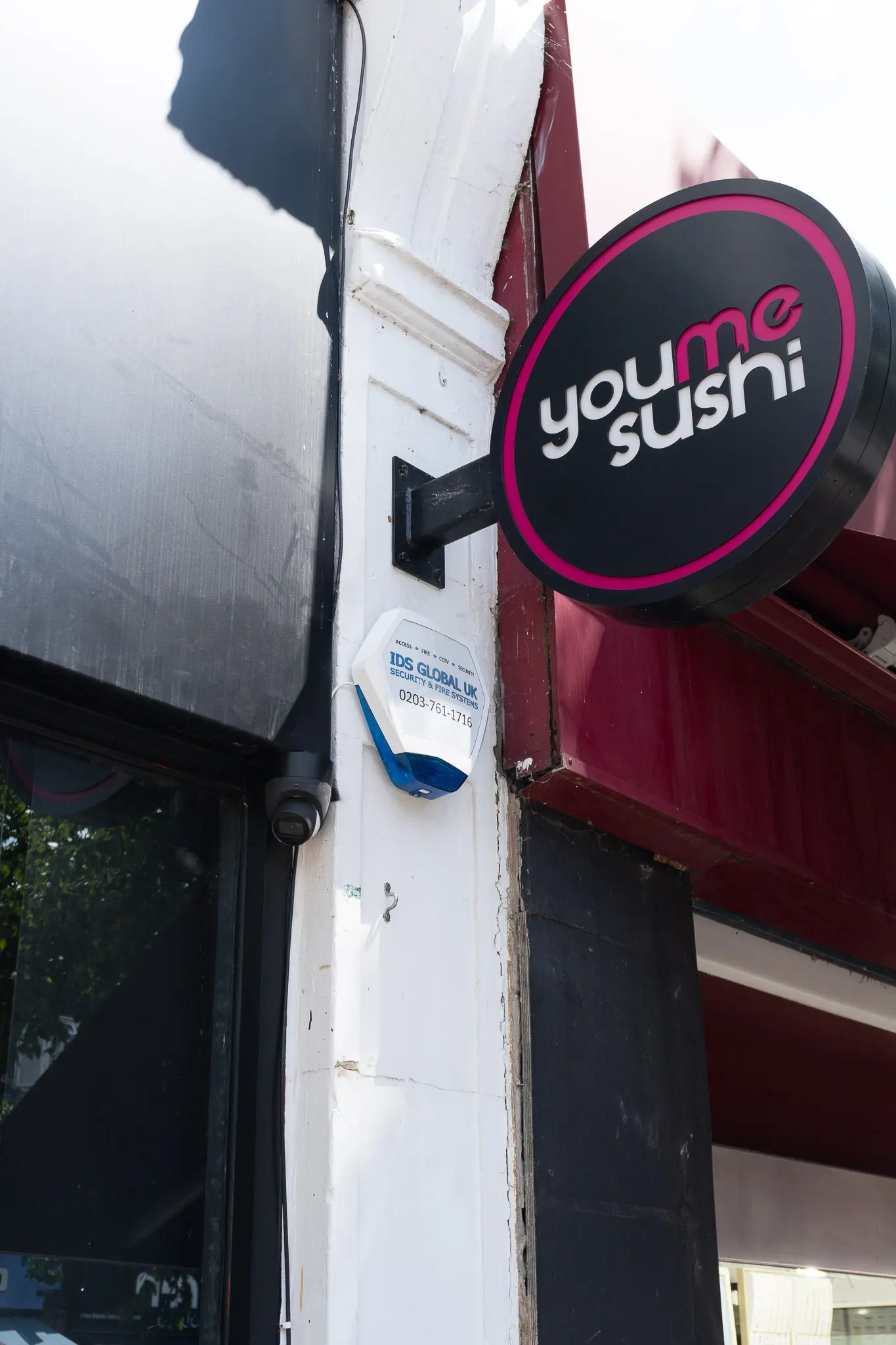
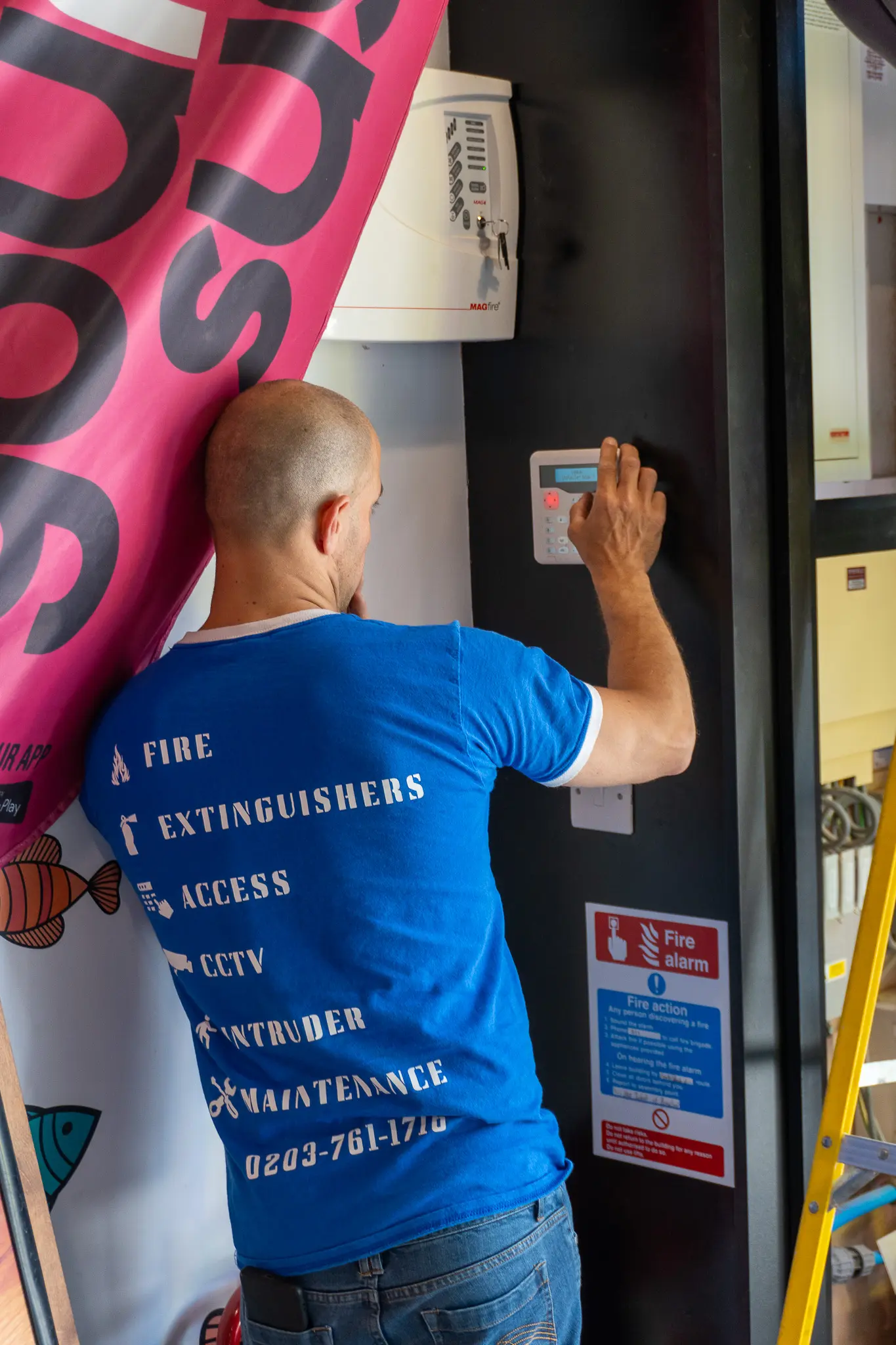
Recent projects
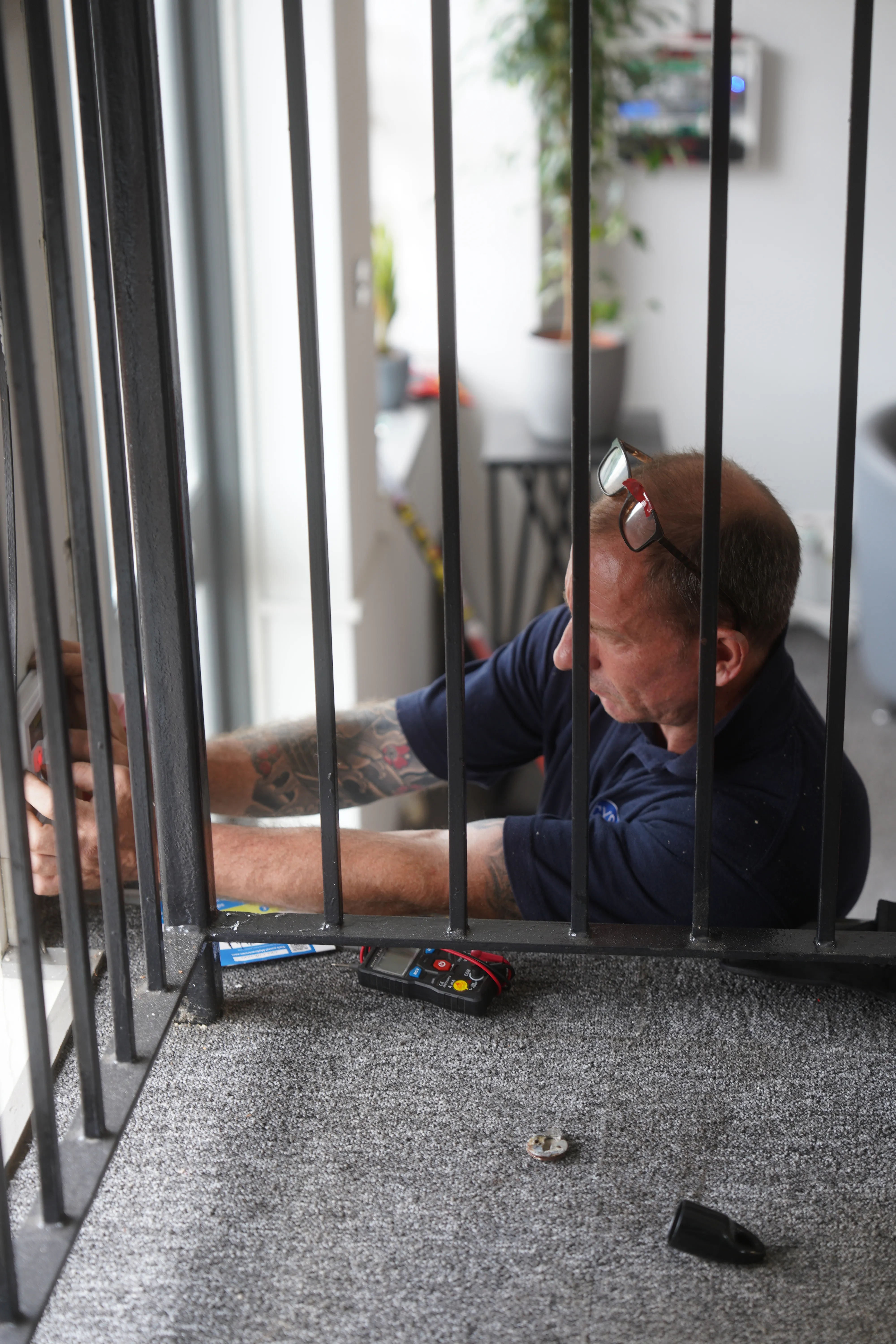
A selection of installations and ongoing maintenance work carried out by our engineers.

Frequently Asked Questions
Will my insurance require an intruder alarm?
Many commercial insurance policies require an intruder alarm as a condition of cover, particularly for premises with valuable stock, equipment, or cash on-site. Your insurer may specify a minimum system grade (typically Grade 2 or higher) and require professional monitoring via an Alarm Receiving Centre.
What is a URN and do I need one?
A URN (Unique Reference Number) is issued by the police and entitles your premises to a confirmed police response when your alarm is activated and verified. It requires a compliant alarm system (BS EN 50131), an accredited monitoring centre, and a keyholder agreement. It is not mandatory but is strongly recommended for higher-risk premises.
Can you take over monitoring of an existing system?
In most cases, yes. We can assess your existing system, bring it up to standard if necessary, and connect it to our monitoring centre. If the system is too old or non-compliant, we will recommend an upgrade path.
How do I reduce false alarms?
False alarms are usually caused by poorly positioned detectors, pets, moving objects (balloons, curtains), or user error (not setting the alarm correctly). We design systems to minimise false activations and can retrofit pet-immune detectors or adjust sensitivity on existing installations.